

How Diabetes Affects Carpal Tunnel Surgery Outcomes
Filed under Reviews, Uncategorized
Article review by Preston Lake
Moradi, A., Sadr, A., Ebrahimzadeh, M. H., Hassankhani, G. G., & Mehrad-Majd, H.
(2020). Does diabetes mellitus change the carpal tunnel release outcomes? Evidence from
a systematic review and meta-analysis. Journal of Hand Therapy, 33(3),
394–401. https://doi.org/10.1016/j.jht.2020.01.003
The Skinny:
The aim of this study was to systematically review the current available literature to characterize
the differences in the clinical, functional, and neurophysiological outcomes of surgical
decompression for diabetic and non-diabetic patients with Carpal Tunnel Syndrome (CTS). The
authors sought to clarify conflicting findings from prior studies on this topic.
In the Weeds:
This meta-analysis reviewed 10 articles meeting inclusion criteria and study relevance with 446
diabetic and 2423 non diabetic patients treated with surgical decompression for CTS. All studies
included in this review were cohorts with 2 being retrospective and 7 being prospective. The
mean age of diabetic patients was 57.8 and 54.8 for non-diabetic patients. All studies included
reported outcomes using Boston Carpal Tunnel Questionnaire (BCTQ), Quick disabilities of the
Arm, Shoulder, and Hand (QuickDASH) or with nerve conduction study. Furthermore, studies
were included only if patients underwent open or endoscopic surgical release with a 6-month
follow-up. All studies included in this review were cohorts with 2 being retrospective and 7
being prospective.

Key Findings
- There were no significant differences between non-diabetic and diabetic patients
for studies reporting outcomes using the Quick DASH and BCTQ - There were no significant differences between non-diabetic and diabetic patients
with motor conduction studies of the median and ulnar nerves - Non-diabetic patients had significantly better outcomes for sensory conduction in
both the wrist to palm segment and wrist to middle finger segments. - There was a slightly higher rate of surgical site wound infections for diabetic
patients, however findings were not statistically significant.
Bringing it Home:
The results of this study find equal benefits from CTS decompression surgery with regards to
symptoms and function following the procedure. The authors find that diabetic patients
undergoing CTS decompression surgery can expect the same clinical benefits to the procedure as patients without DM. It is pr oposed that the higher level of sensory dysfunction for diabetic
patient who underwent decompression surgery is associated with pre-existing diabetic
neuropathy.
Rating: 3/5
This was a high-level study design (meta-analysis) with inclusion of validated clinical outcome
measures and publication bias assessment. The authors presented a clear clinical question with an
easy to follow and errorless methodology section. This study was limited by its lack of
randomized controlled trials, short follow ups, and failure to account for diabetic neuropathy
impact on results.
More To Read
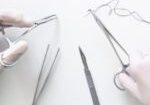
What? I just received an order for suture removal…
How many of us have practiced suture removal in occupational or physical therapy school?? NOT I!! Often, hand surgeons will ask the therapist to remove sutures and sometimes the order will even say “remove sutures when ready” SO NOW WHAT? How to remove continuous sutures? First, we can cover the basics of sutures! There are…

The Importance of Purposeful Activities Following Surgical Repair of a Distal RadiusFracture
By: Kelsey Melton Collis, J. M., Mayland, E. C., Wright-St Clair, V., Rashid, U., Kayes, N., & Signal, N.(2022). An evaluation of wrist and forearm movement during purposeful activities andrange of movement exercises after surgical repair of a distal radius fracture: A randomizedcrossover study. Journal of Hand Therapy. https://doi.org/10.1016/j.jht.2022.07.009 The Skinny: This randomized crossover study…
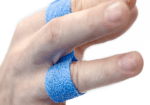
Article Review: Relative Motion for Extensor Tendon Repair zone V-VI? Is a night-time resting hand orthosis beneficial?
Hirth, M. J., Hunt, I., Briody, K., Milner, Z., Sleep, K., Chu, A., Donovan, E. & O’Brien, L. (2021). Comparison of two relative motion extension orthotic programs following surgical repair of finger extensor tendons in zones V-VI: A randomized equivalence trial. Journal of Hand Therapy-to be published. The Skinny: Following a zone V-VI tendon repair,…
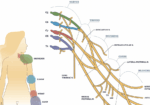
Comparison of Erb’s Palsy and Klumpke’s Palsy: Symptoms, Presentation, and Treatment Options
What is the brachial plexus? The brachial plexus is a group of nerves originating from the cervical and thoracic nerve roots (from C5 to T1). The brachial plexus forms 5 peripheral nerves of the upper extremity, consisting of the musculocutaneous, median, radial, ulnar, and axillary nerves. This group of nerves supplies motor and sensory innervation…

Sign-up to Get Updates Straight to Your Inbox!
Sign up with us and we will send you regular blog posts on everything hand therapy, notices every time we upload new videos and tutorials, along with handout, protocols, and other useful information.