

The Influence of Psychological Factors on Outcomes Following Wrist and Hand Injuries: A Systematic Review
归档依据 评论
The Influence of Psychological Factors on Outcomes Following Wrist and 手
Injuries: A Systematic Review
Article: Minnucci, S., Fochi, F., Lerose, E., Scalise, V., & Brindisino, F. (2025). The influence of
psychological factors on outcomes following wrist and hand musculoskeletal injuries: A
systematic review. Journal of Hand Therapy. https://doi.org/10.1016/j.jht.2025.10.005
瘦子:
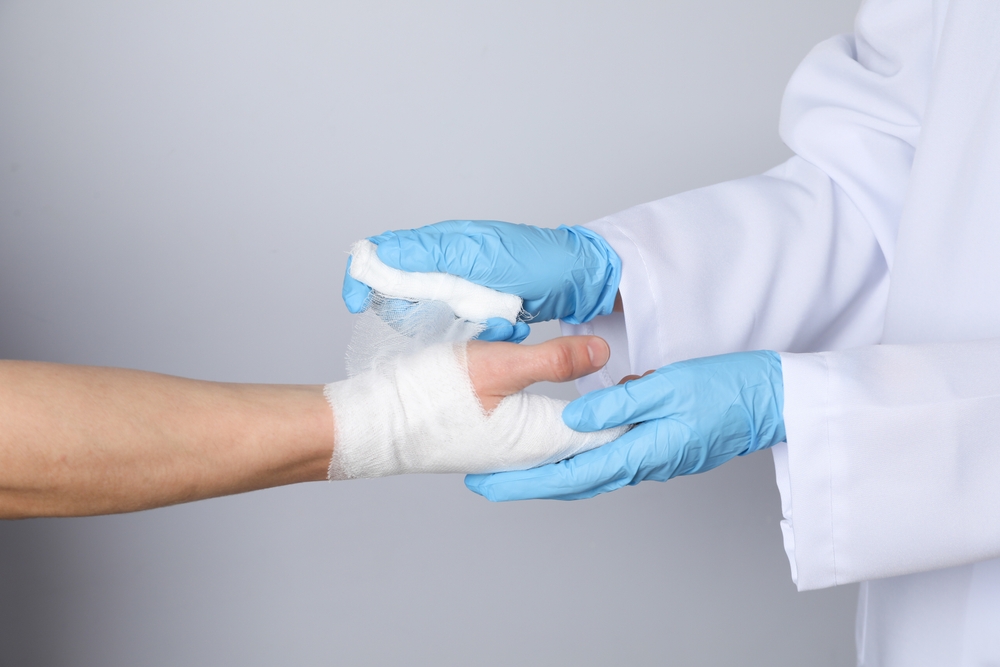
Wrist and hand injuries are common worldwide and may result in persistent pain and long-term
disability. During rehabilitation, psychological factors are increasingly recognized as important
contributors to the persistence of symptoms and functional limitations. The purpose of this
systematic review is to examine whether psychological factors in individuals with wrist and 手
受伤 influence 疼痛 intensity, disability, handgrip strength, range of motion limitations, quality
of life, and return to work or sport.
在杂草丛中:
The researchers conducted a comprehensive systematic literature search across multiple
electronic databases, including MEDLINE, Cochrane Library, EMBASE, CINAHL, and
PsycINFO. Grey literature was also searched using Grey Source, Open Grey, Google Scholar,
and ClinicalTrials.gov. Studies were included in the systematic review if they had a longitudinal
design with follow-up after intervention and examined psychological variables as influencing
factors on rehabilitation outcomes, including pain intensity, disability, range of motion limitations,
handgrip strength, quality of life, and return to work or sport. Studies were also included if they
had participants older than 18 years old with all types of hand and wrist musculoskeletal injuries,
including individuals with traumatic injuries to other joints as well.
Studies were excluded if the type of injury and anatomical structures involved were not identified, if the hand and wrist injuries were non-musculoskeletal, and/or if the participants included had significant secondary psychological, cognitive, neurological, and/or degenerative disorders/conditions. Study selection included title and abstract screening and full text reviews by two independent reviewers. For the studies that were included, relevant data was extracted and recorded in standardized tables and
a risk-of-bias assessment was done for each study using the “Quality In Prognosis Studies”
(QUIPS) tool. Disagreements at any stage of the process were resolved through consultation
with a third reviewer.
把它带回家:
This systematic review analyzed data from 3,315 participants across 21 longitudinal studies.
The most commonly reported hand and wrist injuries were distal radius fractures; however,
other injuries included fractures of carpal, metacarpal, and phalangeal bones, primary flexor and
extensor tendon repairs, and proximal interphalangeal joint sprains or dislocations.
Psychological factors evaluated across the included studies were depression, anxiety, anxiety
sensitivity, self-efficacy, catastrophizing, kinesiophobia, illness perception, pain influence on life,
locus of control, psychological distress, illness concern, and negative affect.
The results of the systematic review indicate that higher levels of symptoms like depression, anxiety, catastrophizing, and kinesiophobia were associated with poorer rehabilitation outcomes. In
contrast, higher levels of self-efficacy were strongly associated with reduced pain and disability,
improved handgrip strength and range of motion, enhanced quality of life and higher rates of
return to work. Overall, the findings of this systematic review suggest that psychological factors
have a significant impact on the rehabilitation process following hand and wrist injuries.

Rate: 4/5
Overall, this study was done well and provided easy-to-understand information on the influence
的 psychological factors in the rehabilitation process of hand and wrist injuries in adults. Key
strengths included strong methodology with a high-level of evidence, appropriate bias
assessment for all included studies, and high clinical relevance. However, limitations to this
study is significant heterogeneity between included studies and moderate to high risk of bias
found in several included studies which means results should be interpreted with some caution.
The findings of this study should encourage hand therapists to be more aware of these
psychological factors in their patients. Identification of these factors early on in treatment can
allow for the therapists to provide appropriate management for them, increasing successful
treatment outcomes for more individuals with hand and wrist injuries.
更多阅读内容

超敏反应感官套件
作者:Melissa Miller 简介 受伤或手术后,皮肤和受伤区域周围的神经可能会变得过度敏感。这可能会因通常不会引起不适的刺激而引起疼痛或不愉快的感觉。例如,轻触衬衫或某种材料可能会感觉像针一样......

Neurolutions IpsiHand 助力偏瘫患者中风康复
Neurolutions IpsiHand 助力偏瘫患者中风康复 约 77% 的新发中风病例会出现偏瘫,并且通常持续至慢性期 (Humphries 等人,2021)。脑机接口 (BCI) 等最新创新技术,即使在中风数年后也能为运动功能康复带来新的机会。Neurolutions IpsiHand 系统就是这样一种解决方案,它……

老年患者桡骨远端骨折掌侧锁定钢板接骨后的早期活动:随机对照试验
作者:Rachel Reed Sørensen, TJ、Ohrt-Nissen, S.、Ardensø, KV、Laier, GH 和 Mallet, SK (2020)。老年患者桡骨远端骨折掌侧锁定钢板接骨后的早期活动——一项随机对照试验。手外科杂志,S0363-5023(20)30276-8。提前在线出版。 https://doi.org/10.1016/j.jhsa.2020.05.009 The Skinny:这项随机对照试验的目的是……
21世纪的屈肌腱康复:系统回顾
Neiduski,RL 和鲍威尔,RK (2019)。 21 世纪的屈肌腱康复:系统回顾。手部治疗杂志,32,165-174。瘦身这项研究的目的是确定是否有证据支持其中一种运动养生法。审查的锻炼方案包括定位和保持、早期被动或……

注册即可直接将更新发送到您的收件箱!
注册我们,我们将定期向您发送有关手部治疗的所有内容的博客文章、每次上传新视频和教程时的通知,以及讲义、协议和其他有用信息。