

The Influence of Psychological Factors on Outcomes Following Wrist and Hand Injuries: A Systematic Review
archivado en Reseñas
The Influence of Psychological Factors on Outcomes Following Wrist and Mano
Injuries: A Systematic Review
Article: Minnucci, S., Fochi, F., Lerose, E., Scalise, V., & Brindisino, F. (2025). The influence of
psychological factors on outcomes following wrist and hand musculoskeletal injuries: A
systematic review. Journal of Hand Therapy. https://doi.org/10.1016/j.jht.2025.10.005
El delgado:
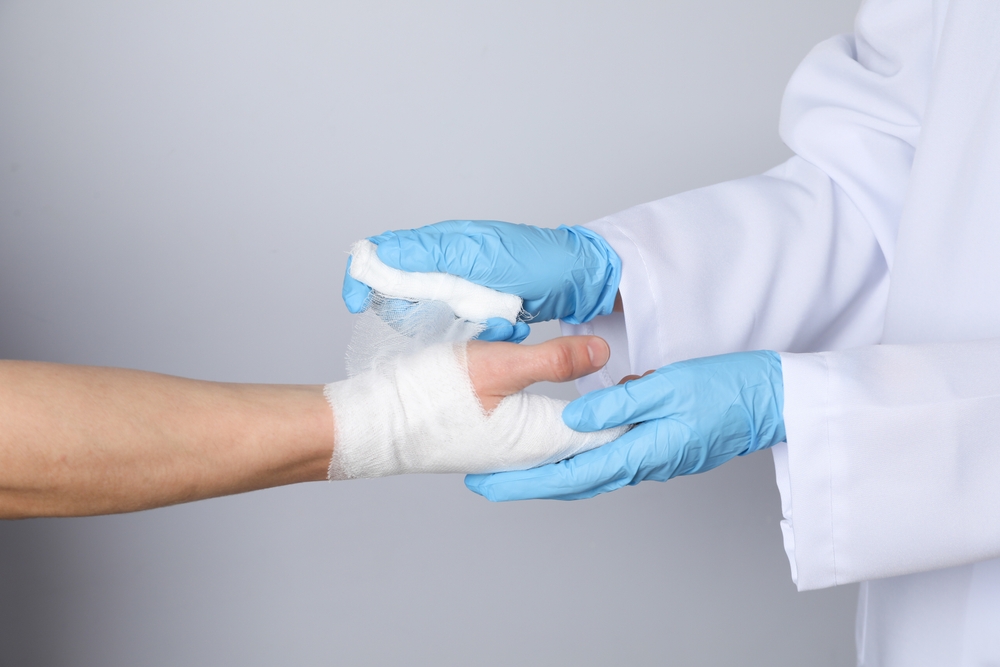
Wrist and hand injuries are common worldwide and may result in persistent pain and long-term
disability. During rehabilitation, psychological factors are increasingly recognized as important
contributors to the persistence of symptoms and functional limitations. The purpose of this
systematic review is to examine whether psychological factors in individuals with wrist and mano
lesiones influence dolor intensity, disability, handgrip strength, range of motion limitations, quality
of life, and return to work or sport.
En Las malas hierbas:
The researchers conducted a comprehensive systematic literature search across multiple
electronic databases, including MEDLINE, Cochrane Library, EMBASE, CINAHL, and
PsycINFO. Grey literature was also searched using Grey Source, Open Grey, Google Scholar,
and ClinicalTrials.gov. Studies were included in the systematic review if they had a longitudinal
design with follow-up after intervention and examined psychological variables as influencing
factors on rehabilitation outcomes, including pain intensity, disability, range of motion limitations,
handgrip strength, quality of life, and return to work or sport. Studies were also included if they
had participants older than 18 years old with all types of hand and wrist musculoskeletal injuries,
including individuals with traumatic injuries to other joints as well.
Studies were excluded if the type of injury and anatomical structures involved were not identified, if the hand and wrist injuries were non-musculoskeletal, and/or if the participants included had significant secondary psychological, cognitive, neurological, and/or degenerative disorders/conditions. Study selection included title and abstract screening and full text reviews by two independent reviewers. For the studies that were included, relevant data was extracted and recorded in standardized tables and
a risk-of-bias assessment was done for each study using the “Quality In Prognosis Studies”
(QUIPS) tool. Disagreements at any stage of the process were resolved through consultation
with a third reviewer.
Llévalo a casa:
This systematic review analyzed data from 3,315 participants across 21 longitudinal studies.
The most commonly reported hand and wrist injuries were distal radius fractures; however,
other injuries included fractures of carpal, metacarpal, and phalangeal bones, primary flexor and
extensor tendon repairs, and proximal interphalangeal joint sprains or dislocations.
Psychological factors evaluated across the included studies were depression, anxiety, anxiety
sensitivity, self-efficacy, catastrophizing, kinesiophobia, illness perception, pain influence on life,
locus of control, psychological distress, illness concern, and negative affect.
The results of the systematic review indicate that higher levels of symptoms like depression, anxiety, catastrophizing, and kinesiophobia were associated with poorer rehabilitation outcomes. In
contrast, higher levels of self-efficacy were strongly associated with reduced pain and disability,
improved handgrip strength and range of motion, enhanced quality of life and higher rates of
return to work. Overall, the findings of this systematic review suggest that psychological factors
have a significant impact on the rehabilitation process following hand and wrist injuries.

Rate: 4/5
Overall, this study was done well and provided easy-to-understand information on the influence
de psychological factors in the rehabilitation process of hand and wrist injuries in adults. Key
strengths included strong methodology with a high-level of evidence, appropriate bias
assessment for all included studies, and high clinical relevance. However, limitations to this
study is significant heterogeneity between included studies and moderate to high risk of bias
found in several included studies which means results should be interpreted with some caution.
The findings of this study should encourage hand therapists to be more aware of these
psychological factors in their patients. Identification of these factors early on in treatment can
allow for the therapists to provide appropriate management for them, increasing successful
treatment outcomes for more individuals with hand and wrist injuries.
Más para leer
Explorando la anatomía única de la mano
Explorando la anatomía única de la mano La mano humana es una maravilla de diseño intrincado con una combinación de capacidades motoras finas y fuerza que nos permiten realizar tareas motoras finas que van desde cirugías delicadas hasta tareas motoras más gruesas como cargar cargas pesadas. Sin embargo, no hay dos manos exactamente iguales. Las variaciones anatómicas mientras…
Una mejor prueba de tenosinovitis de De Quervain
JF Goubau, L. Goubau, A. Van Tongel, P. Van Hoonacker, D. Kerckhove, B. Berghs (2013). La prueba de hiperflexión y abducción del pulgar (QUÉ): una prueba más específica y sensible para diagnosticar Tenosinovitis de Quervain que la prueba de Eichhoff. J Hand Surg Eur vol. marzo de 2014; 39(3): 286–292. Publicado en línea el 22 de enero de 2013. doi:…

¿La terapia con espejo funciona para pacientes con terapia de mano con afecciones ortopédicas generales?
Por: Maddie Mott Rostami, RH, Arefi, A. y Tabatabaei, S. (2013). Efecto de la terapia con espejo sobre la función de la mano en pacientes con lesiones ortopédicas de la mano: un ensayo controlado aleatorio. Discapacidad y Rehabilitación, 35(19). 1647-1651. DOI: 10.3109/09638288.2012.751132 The Skinny: ¿Cómo funciona la terapia del espejo? La terapia del espejo (MT) se realiza colocando la extremidad lesionada del paciente en...
Huesos Sesamoideos: ¿Qué son y para qué sirven?
Por Brittany Carrie La perspectiva de un estudiante Durante las primeras semanas de mi rotación, estuve expuesta a muchas cosas nuevas y emocionantes a las que no había estado expuesta en el salón de clases. Observé y ayudé a tratar a pacientes que habían sufrido traumatismos graves desde tendones lacerantes hasta amputaciones completas, vi diferentes técnicas de entablillado,…

¡Regístrese para recibir actualizaciones directamente en su bandeja de entrada!
Regístrese con nosotros y le enviaremos publicaciones periódicas en el blog sobre todo lo relacionado con la terapia de manos, avisos cada vez que subamos nuevos videos y tutoriales, junto con folletos, protocolos y otra información útil.