

What to Know as a Hand Therapist When Choosing Thermoplastic Orthosis Material
Filed under Orthoses
By: Kelsey Melton
Thermoplastic materials can have a variety of properties. Each supplier has a different version of each combination of variables for the therapist to choose from. The most common brands used for orthosis fabrication are Orfit, NorthCoast Medical (NCM), and Raylan. These brands all have their versions of thermoplastic material that vary in conformability and resistance. Each one can be beneficial for different types of orthoses. Below is a comparison of the variables, materials, and each brand’s variation to help you decide which one you would use for your next orthosis.
Highly Resistive, Low Conformability
Materials highly resistant to stretch but low conformability are ideal for rigid, supportive orthoses like elbow orthoses or antispasticity splinting. Because they will only move when significant force is applied, this type of material can be helpful for larger body areas that can apply more leverage and force across the material. This is beneficial if patients unexpectedly move as it will not change the shape of the material, making it easier for the therapist. Fabrication can take more effort from the therapist, but the item will not easily change shape as it is cooling and the patient’s position changes slightly. Below are some materials from each brand:
- Rolyan: Synergy Thermoplastic
- NCM: Omega Max
- Orfit: Multifit NS
Highly Resistive, Moderate Conformability:
Highly resistant to stretch and moderate conformability, these materials are more straightforward to mold to the patient, requiring less force to shape. This allows the clinician to be in more control. This is great for various static or dynamic orthoses for the hand, wrist, or elbow and when a patient can understand and comply with the positional needs of the orthosis during fabrication. Below are materials across brands:
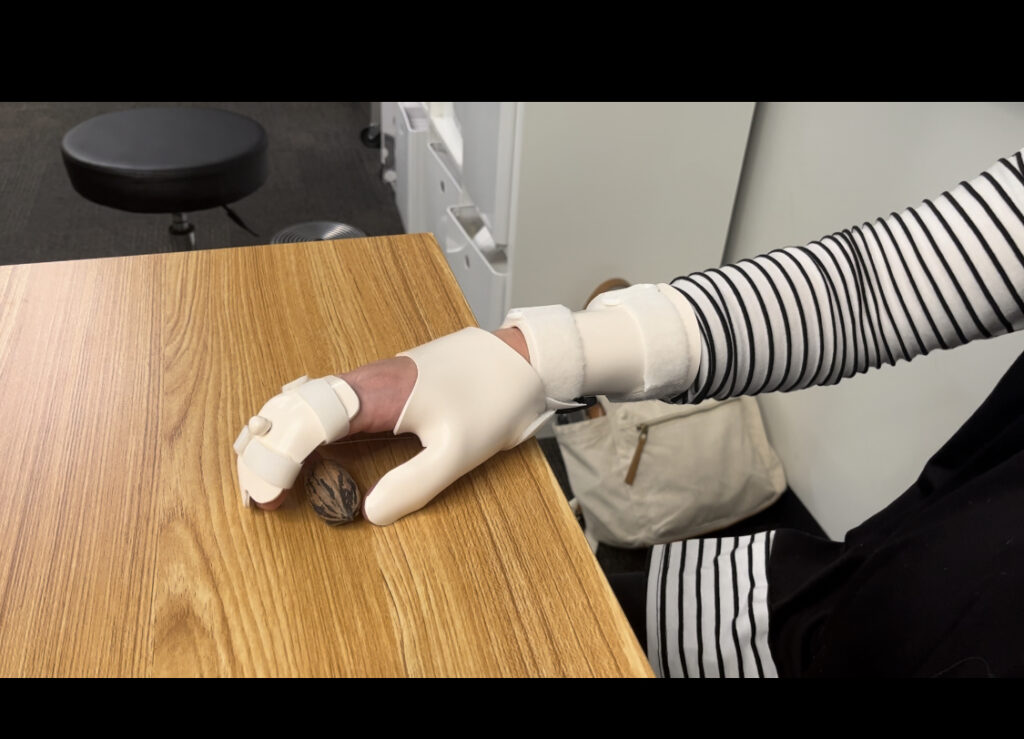
- Rolyan: Ezeform
- NCM: Encore
- Orfit: classic
Moderately Resistive, Moderate Conformability:
Materials with moderate resistance to stretch and moderate conformability have excellent memory. This allows for the ability to re-shape as needed. This material is the best for a form-fitting shape as it easily conforms to surface contours. This makes it an excellent wrist, hand, or even digit orthoses option. But, it must still be held until cooled to keep the correct shape. This can be difficult with younger patients or those not able to stay in the needed position for more extended periods during fabrication:
- Rolyan: Aquaplast
- NCM: Prism
- NCM: Armour
- Orift: Aquafit NS
Moderate Resistance, High Conformability:
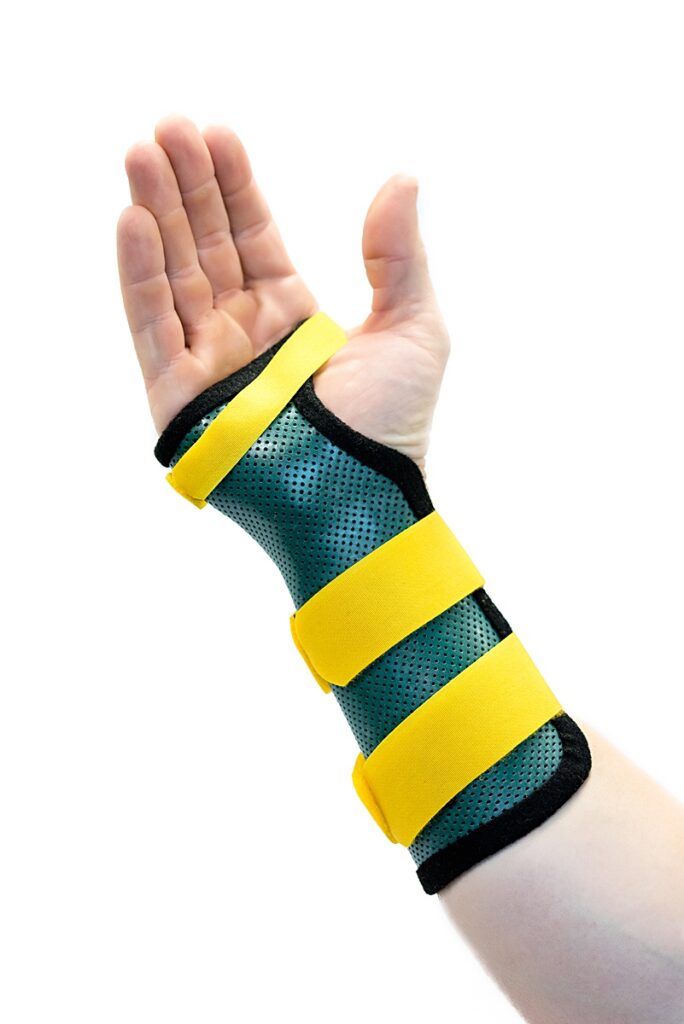
Materials with moderate resistance to stretch and high conformability conform well to surface contours and will not lose shape quickly. This material can be helpful for custom antispasticity splints as it will contour well but can be removed earlier for the patient for modifications without losing its shape. This is also helpful with pediatric patients who may not tolerate the warm material and refining the splint of the patient while still cooling:
- Rolyan: Tailorsplint
- NCM: Preferred Black
- Orfit: ECO NS
Low Resistance, High Conformability:
Low resistance to stretch and high conformability materials form the correct shape with very little pressure for intricate molding. These materials have maximum support and rigidity when it is cooled. They can be reshaped with heat, but they will not fully return to their original shape when it is reheated (memory). This material is excellent for fingers and wrists with more intricate contour needs.
- Rolyan: Polyform
- Orfit: classic
- NCM: clinic
More To Read
Tennis Elbow and Graded Exercises
Lateral Elbow Pain with Graded Exercise Chronic tennis elbow with a supervised graded exercise protocol Özdinçler, A. R., Baktır, Z. S., Mutlu, E. K., & Koçyiğit, A. (2023). Chronic lateral elbow tendinopathy with a supervised graded exercise protocol. Journal of Hand Therapy, 36(4), 913–922. https://doi.org/10.1016/j.jht.2022.11.005 The Skinny: This study looked at the effectiveness of an…

Effects of different stretching techniques for improving joint range of motion.
Reference: Oba, K., Samukawa, M., Abe, Y., Suzuki, Y., Komatsuzaki, M., Kasahara, S., Ishida, T., & Tohyama, H. (2021). Effects of Intermittent and Continuous Static Stretching on Range of Motion and Musculotendinous Viscoelastic Properties Based on a Duration-Matched Protocol. International journal of environmental research and public health, 18(20), 10632. https://doi-org.libproxy.nau.edu/10.3390/ijerph182010632 The Skinny: This study used a cross-over…

Top 5 Hand Therapy Toys for Kids
Many therapists in hand therapy clinics have a lot of tools for their adult patients, but may not have as many tools for the less common pediatric patient. With nearly 20 years experience in pediatrics, we’ve compiled a list of our top 5 picks for tools to use with pediatric patients in hand therapy. We…

Covid-19: What is your clinic doing?
It’s what every patient is talking about when they come in? With the suspension of every major sport, international travel banned, and hospital quarantines, everyone wants to know what their own therapists are doing to address the problem. I’m a small business owner and therapist. That means I really have 3 priorities. 1: Protect my…

Sign-up to Get Updates Straight to Your Inbox!
Sign up with us and we will send you regular blog posts on everything hand therapy, notices every time we upload new videos and tutorials, along with handout, protocols, and other useful information.