

Prefabricated vs. Custom Splint: A Clinical Decision-Making Framework for Hand Therapist
abgelegt unter Orthesen
Einführung
Splint or orthosis selection is among the most frequent and clinically consequential decisions in hand therapy practice. The 2019 HTCC Practice Analysis confirmed that both issuing prefabricated and fabricating custom splints are considered highly critical tasks by certified hand therapists. The choice between these two categories is not simply a matter of convenience or cost, it reflects a clinical reasoning process grounded in diagnosis, tissue biology, biomechanical principles, patient-specific anatomy, and functional demands.
This article presents a clinical decision-making framework to guide therapists in selecting between prefabricated and custom orthoses, supported by current evidence.
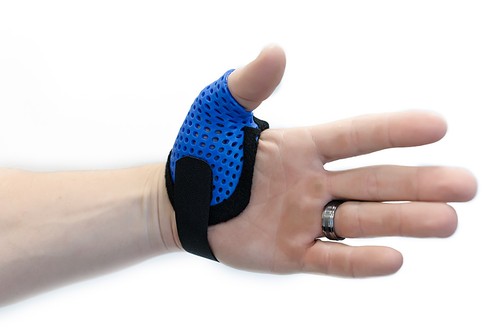
Clinical Decision-Making Framework
Rather than defaulting to one category, the decision between prefabricated and custom orthoses should be driven by the following interrelated clinical factors:
1. Diagnosis and Tissue Healing Phase
The nature of the pathology and the stage of tissue healing are the primary determinants. Conditions requiring precise joint positioning , such as flexor or extensor tendon repairs, fracture stabilization, or nerve repairs typically demand custom orthoses because small deviations in wrist or digit angle can compromise healing outcomes. For example, after flexor tendon repair, the orthosis must position the wrist and digits to minimize tension on the repair while still permitting controlled motion within a safe arc. Orthosis designs may include forearm-based static, dynamic, or relative motion configurations depending on the protocol.
In contrast, conditions requiring general support or symptom management, such as mild-to-moderate carpal tunnel syndrome, early lateral epicondylalgia, or mild wrist tendinopathy, may be adequately managed with a prefabricated orthosis, particularly when the goal is nocturnal symptom relief or activity modification rather than tissue-specific protection.
2. Biomechanical Requirements
The biomechanical demands of the orthosis should guide design selection. Key considerations include:
– Force application and distribution: For mobilization orthoses addressing PIP joint flexion contracture, research has demonstrated that the upper limit of safe force application is approximately 200 g (1.96 N), beyond which skin irritation and injury become likely, reducing total end range time (TERT) and limiting outcomes. Custom orthoses allow the therapist to control force vectors, lever arms, and pressure distribution in ways that prefabricated options cannot.
– Joint positioning specificity: When precise angular positioning is required (e.g., MCP flexion at 70° in a dorsal blocking orthosis), custom fabrication is essential. Excessive MCP flexion in dynamic traction designs has been associated with increased risk of PIP joint flexion contracture.
– Tissue-specific considerations: Dense connective tissue and articular cartilage have different and sometimes conflicting requirements for immobilization and stress. Prolonged end-range immobilization impairs cartilage nutrition and reduces DCT extensibility, supporting the use of intermittent wearing schedules and designs that allow controlled motion where appropriate.
3. Anatomical Fit and Patient-Specific Factors
Custom fabrication is indicated when the patient’s anatomy does not conform to standard sizing due to edema, deformity, prior surgical hardware, unusual hand proportions, or skin integrity concerns (wounds, incisions, grafts, or hypersensitive areas). Research on orthosis customization has shown that fabrication for inpatients tends to be more complex and focused on ergonomic fitting, while outpatient fabrication prioritizes durability reflecting different clinical priorities based on patient context.
Pressure mapping research has identified five critical spots under hand orthoses that correspond to high discomfort scores or excessive pressure magnitudes (>0.024 MPa), reinforcing the importance of individualized fitting and follow-up adjustment.
4. Functional and Occupational Demands
The patient’s activity profile including work tasks, caregiving responsibilities, recreational activities, and ADL requirements should influence orthosis selection. A patient performing repetitive gripping or fine motor tasks may require a low-profile custom design that permits specific functional movements while protecting the involved structure. A patient needing nighttime-only symptom control may do well with a prefabricated option.
Evidence Summary by Diagnosis
Karpaltunnelsyndrom
Splinting is a well-established conservative intervention for mild-to-moderate CTS, primarily for nocturnal symptom relief. A Cochrane review found limited evidence to identify an optimal splint type or wearing regimen, and noted that the applicability of evidence is complicated by the specificity of commercial versus individually tailored splints. A pilot RCT comparing commercial and custom wrist orthoses for nocturnal use found a trend toward better outcomes with custom orthoses, though differences were not statistically significant. For most patients with mild-to-moderate CTS, a prefabricated wrist orthosis in neutral position is a reasonable first-line option; custom fabrication may be warranted when standard sizing is inadequate or when the patient has concurrent conditions affecting fit.
Thumb CMC Osteoarthritis
The ASHT consensus paper recommends orthosis use during painful activities as part of a multimodal approach including dynamic stability exercises, joint protection education, and functional-based intervention. A 2021 meta-analysis of 11 RCTs found that a long custom thermoplastic CMC-MCP splint was associated with the best pain relief, while a short custom thermoplastic CMC splint was associated with the greatest functional improvement. However, a well-designed RCT using a prefabricated neoprene Comfort Cool splint combined with exercises and topical diclofenac also demonstrated meaningful clinical improvement. The choice between prefabricated and custom may depend on disease severity, degree of deformity, and whether the patient requires MCP joint stabilization.
Lateral Epicondylalgia
Evidence for orthosis use in lateral epicondylalgia is mixed. A systematic review found low-quality evidence that forearm counterforce orthoses can immediately reduce pain during contraction and improve pain-free grip strength, but not maximal grip strength. A randomized trial found that a custom extension wrist-hand orthosis combined with physiotherapy was more effective than physiotherapy alone at 12 weeks. Prefabricated counterforce braces remain a common first-line option, but custom wrist extension orthoses may be considered for patients with persistent symptoms or those who do not respond to standard bracing.
Flexor Tendon Repairs
Custom orthosis fabrication is the standard of care following flexor tendon repair. Orthosis design including static dorsal blocking, dynamic traction, or relative motion configurations must be matched to the specific rehabilitation protocol. Precise wrist and digit positioning is critical: controlled stress on the repair facilitates healing and collagen deposition, while excessive stress risks gapping or rupture. The orthosis is typically worn for the first 6–8 weeks and progressively modified as healing advances.
PIP Joint Flexion Contracture
Management of PIP flexion contracture frequently involves mobilization orthoses static progressive, dynamic, or serial static designs. The TERT concept guides wearing schedules, and force application must remain within skin tolerance limits. Cadaver-based research has shown that certain prefabricated orthoses (e.g., LMB 501) may exceed recommended pressure limits if worn for extended periods, while custom neoprene designs can be modified to reduce skin pressure. This supports the use of custom or customizable orthoses when prolonged wear is required.
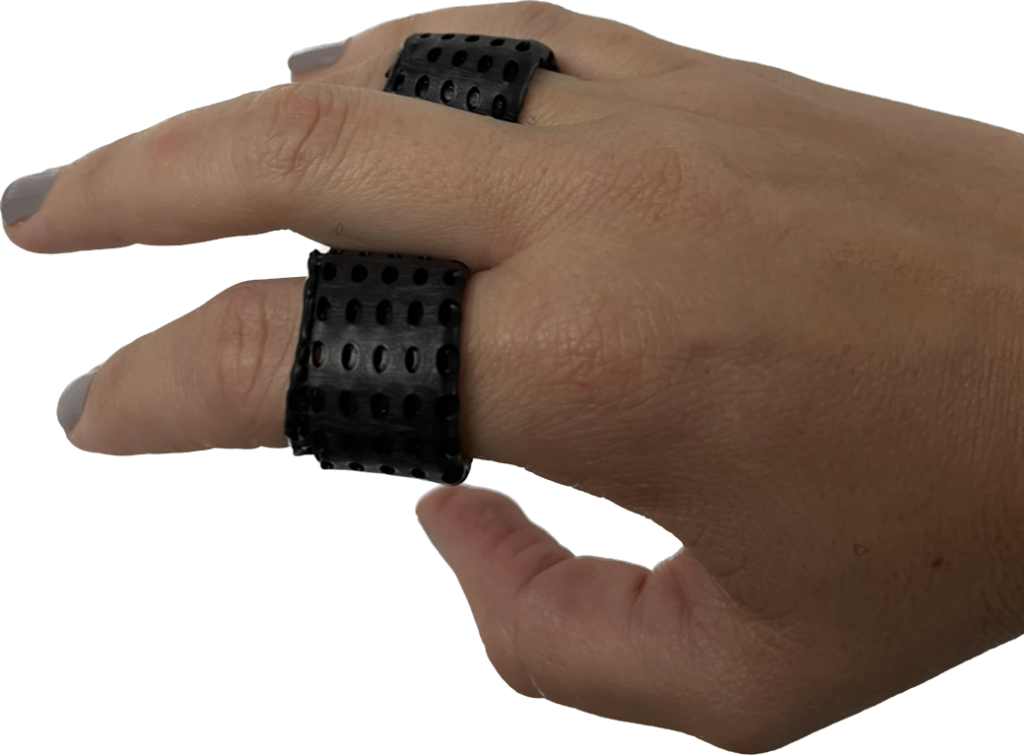
When Prefabricated Orthoses Are Appropriate
A prefabricated orthosis is not inherently inferior. It may be the appropriate clinical choice when:
– The condition requires general support rather than precise positioning
– Standard sizing accommodates the patient’s anatomy
– The goal is symptom management, activity modification, or short-term protection
– The diagnosis does not involve surgically repaired structures, unstable fractures, or tissue-specific healing precautions
– Cost, accessibility, or ease of replacement are significant factors
– Evidence supports equivalent outcomes (e.g., resting hand splints in cervical SCI showed no difference in outcomes or user preference between prefabricated and custom options in one RCT)
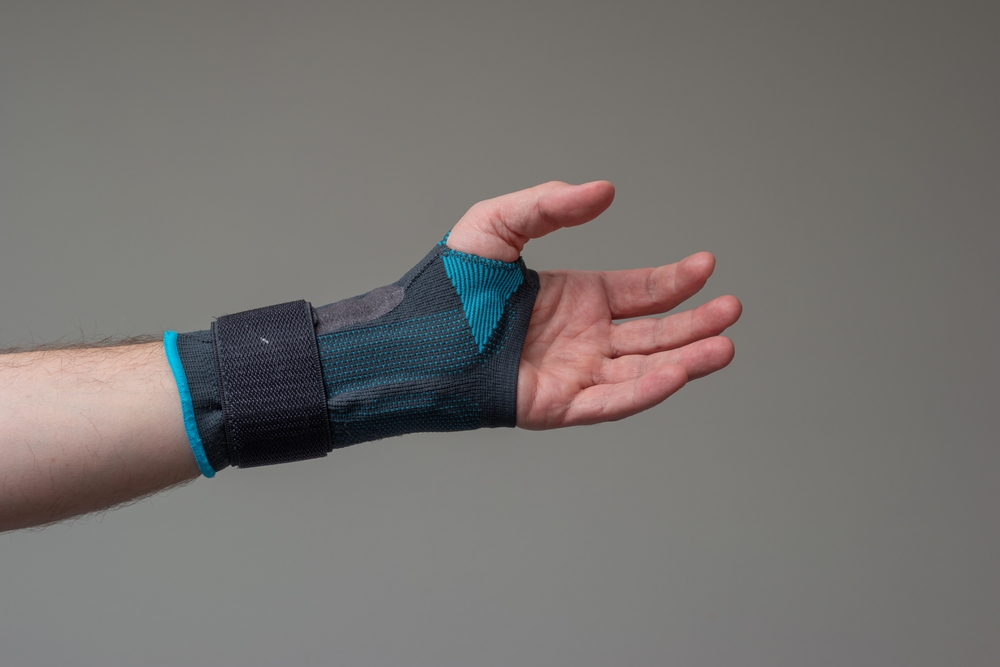
Fit Optimization and Monitoring
Regardless of orthosis type, ongoing assessment of fit is essential. Key monitoring parameters include:
– Pressure distribution: Awareness of high-risk pressure zones (dorsal MCP heads, ulnar styloid, first web space, radial styloid, pisiform) and proactive padding or relief
– Edema management: Orthoses may need modification as swelling fluctuates, particularly in the early postoperative period
– Skin tolerance: Wearing schedules should begin with shorter trials in patients at risk for skin breakdown, with gradual increases based on skin inspection
– Functional impact: The orthosis should permit safe motion of uninvolved joints and support, not impede the patient’s functional goals
Patients should be educated not to self-modify orthoses, as improper adjustments can alter biomechanical alignment, create pressure areas, or compromise tissue protection.
Wear Schedule Considerations
Wearing schedules should be diagnosis-specific and phase-appropriate. Prolonged continuous immobilization particularly at end range can impair articular cartilage nutrition and reduce dense connective tissue extensibility. An intermittent wearing schedule that allows movement wherever possible is generally recommended to promote tissue health, unless continuous protection is required (e.g., early post-tendon repair).
As healing progresses, the therapist should systematically modify the orthosis design, wearing schedule, or both transitioning from protective to functional to mobilization orthoses as indicated.
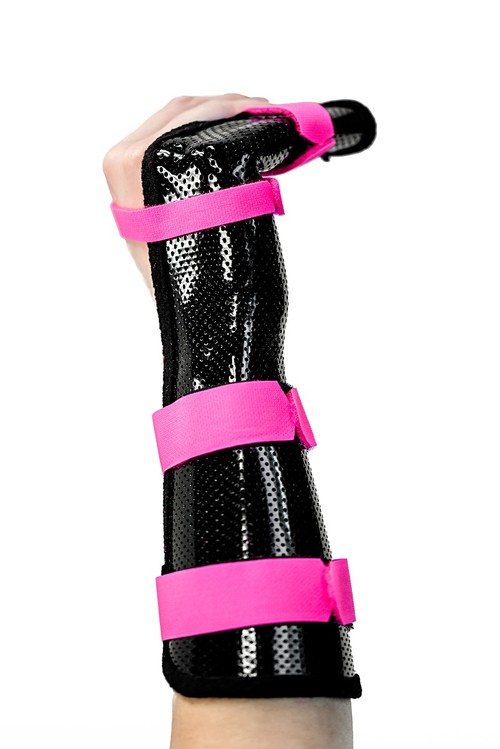
Practical Considerations
Documentation: When fabricating a custom orthosis, documentation should clearly establish medical necessity including the diagnosis, the specific positioning or biomechanical requirements that a prefabricated option cannot meet, and the clinical rationale for custom fabrication. This is particularly important for reimbursement and for justifying the additional time and materials involved.
Patient Adherence: Adherence is influenced by comfort, cosmesis, perceived benefit, and the patient’s understanding of the orthosis rationale. Engaging the patient in the decision-making process including discussion of prefabricated versus custom options when clinically appropriate promotes carryover and long-term compliance.
Abschluss
The decision between prefabricated and custom orthoses is a clinical reasoning process, not a default preference. It should be guided by the diagnosis, tissue healing phase, biomechanical requirements, anatomical fit, functional demands, and available evidence. Both categories have a role in hand therapy practice, and the best orthosis is the one that matches the patient’s clinical needs while supporting recovery without introducing new complications.
Mehr zum Lesen
Mehrere Möglichkeiten der Pin-Site-Pflege in der Handtherapie
Von: Megan Prather Aufgrund der weit verbreiteten externen Fixierung mit Nadeln in der oberen Extremität und der hohen Raten von Infektionen an der Nadelstelle ist es für Therapeuten wichtig, ein Protokoll für die Pflege der Nadelstelle zu finden. In der Literatur gibt es viele verschiedene Pflegeprotokolle für die Pin-Stelle, die sich in Häufigkeit, Lösungen, Materialien und manueller Reinigung unterscheiden. Trotz vieler Studien…
Faktoren, die die Orthesentreue bei Patienten mit akuten traumatischen Sehnenverletzungen der Hand beeinflussen
Savaş, S., & Aydoğan, Ç. (2020). Faktoren, die die Orthesenhaftung nach akuten traumatischen Handsehnenreparaturen beeinflussen: Eine prospektive Kohortenstudie. Zeitschrift für Handtherapie, S0894113020301848. https://doi.org/10.1016/j.jht.2020.10.005 Weltgesundheitsorganisation. (2003). Einhaltung von Langzeittherapien: Evidenz für Maßnahmen. Weltgesundheitsorganisation. Das Tragen von Skinny-Orthesen ist für den Schutz heilender Sehnen nach einer traumatischen Sehnenverletzung von entscheidender Bedeutung.

Säulenschmerzen nach einer Karpaltunnel-Release-Operation
Säulenschmerzen nach einer Karpaltunnel-Release-Operation Eine Karpaltunnel-Release-Operation (CTR) ist ein gängiger Eingriff, mit dessen Ergebnissen die Mehrheit der Patienten zufrieden ist. Bei einigen Personen kann jedoch eine vorübergehende Komplikation auftreten, die als „Säulenschmerz“ bekannt ist und etwa 13% der Personen betrifft, die sich einer CTR unterziehen. Säulenschmerzen manifestieren sich im Daumenballen und im Daumenballen …
Was Sie als Handtherapeut bei der Auswahl des thermoplastischen Orthesenmaterials wissen sollten
Von: Kelsey Melton Thermoplastische Materialien können eine Vielzahl von Eigenschaften haben. Jeder Anbieter stellt für jede Variablenkombination eine andere Version zur Verfügung, aus der der Therapeut wählen kann. Die am häufigsten für die Orthesenherstellung verwendeten Marken sind Orfit, NorthCoast Medical (NCM) und Raylan. Diese Marken haben alle ihre Versionen von thermoplastischem Material, die sich in … unterscheiden.

Melden Sie sich an, um Updates direkt in Ihren Posteingang zu erhalten!
Melden Sie sich bei uns an und wir senden Ihnen regelmäßig Blogbeiträge zum Thema Handtherapie, Benachrichtigungen jedes Mal, wenn wir neue Videos und Tutorials hochladen, zusammen mit Handzetteln, Protokollen und anderen nützlichen Informationen.