

Early Rehabilitation vs. Conventional Immobilization in Nonoperative Treatment of Proximal Humeral Fracture
archivado en Tratos
Treatment of Proximal Humeral Fracture: A Systematic Review Early Rehabilitación vs. Conventional Immobilization in Nonoperative
Treatment of Proximal Humeral Fracture: A Systematic Review Ranieri, R., Lacouture-Suarez, J. D., Ferrero, M., Longobardi, V., Cacace, F., Ferrero, A., Bertolino, E. M., Kon, E., Lipina, M., Lychagin, A., Di Matteo, B., & Castagna, A. (2024). Early rehabilitation vs. conventional immobilization in nonoperative treatment of proximal humeral fracture: A systematic review. European Review for Medical and Pharmacological Sciences, 28(11), 3771–3780. https://doi.org/10.26355/eurrev_202406_36382
El delgado:
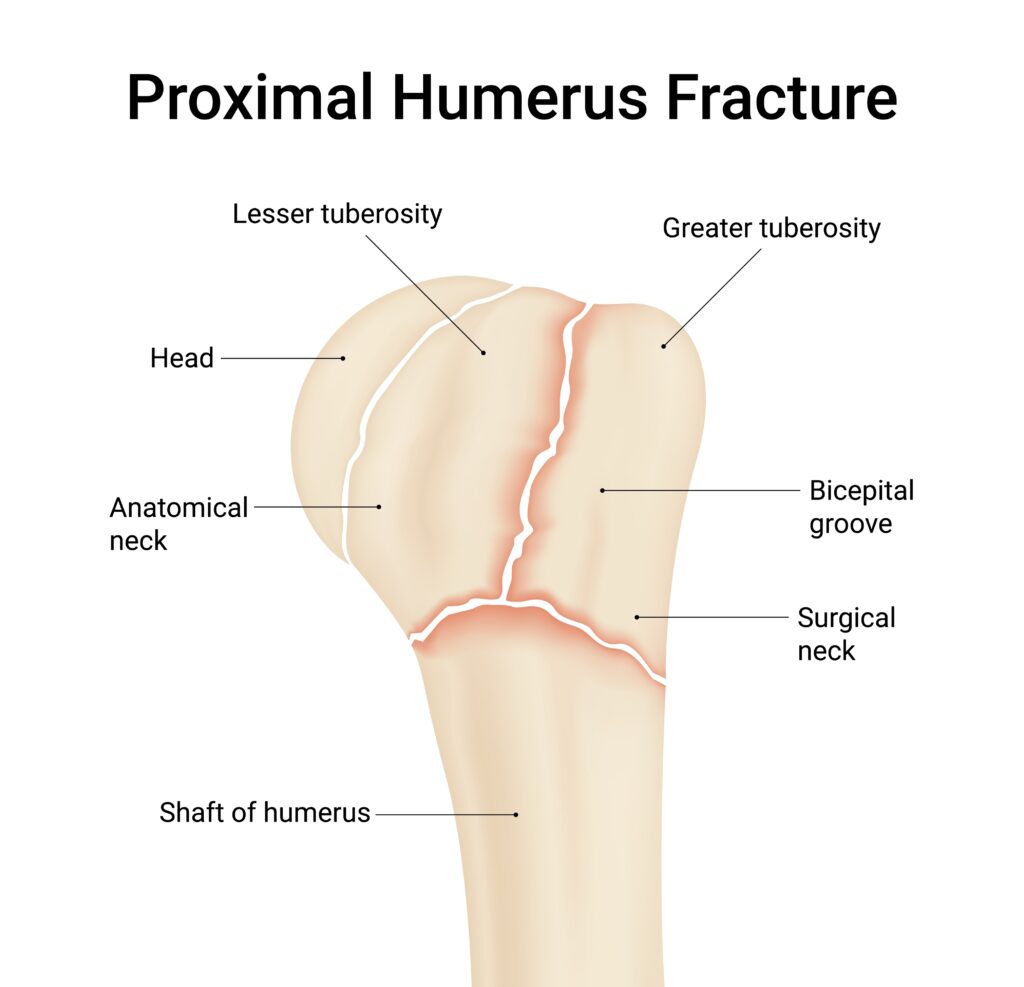
Proximal humeral fractures (PHFs) are gradually rising, especially amongst postmenopausal women. PHFs are associated with severe disability, prolonged recovery, and increased risk of mortality, often negatively impacting individuals’ independence in activities of daily living. Treatment of PHFs depends on the fracture type and the patient’s functional needs; however, the goal is typically to gain range of motion and shoulder function. This systematic review examined the results of early versus delayed rehabilitación following PHFs.
En la maleza:
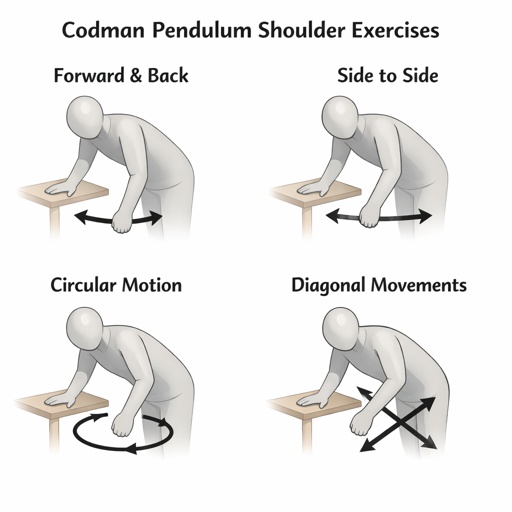
The systematic review followed the Preferred Reporting Items for Systematic Reviews and Meta-Analyses protocol guidelines. A literature search was conducted for studies published between 1980 and 2023 and included functional outcomes, pain, or patient quality of life for early versus delayed rehabilitation of PHF. The Cochrane Risk of Bias Assessment was used to examine the quality of the randomized controlled trials. Five studies, including 378 patients, were included in the review. Early rehabilitation was initiated within 7 days and mostly consisted of pendulum exercises and passive mobilization. By the 3rd and 4th weeks, early rehabilitation involved progressive full passive shoulder flexion and gentle functional ejercicios. Delayed rehabilitation was initiated within 3 weeks of immobilization.
Llévalo a casa:
The authors found that early rehabilitation resulted in lower pain, improved shoulder range of motion, and better function in the first 3 months compared to delayed rehabilitation. No significant functional or pain-related changes were discovered at the 6-month and 2-year follow-up. Immobilization is often associated with joint stiffness and muscle atrophy, potentially
prolonging disability. Early passive rehabilitación may shorten recovery time by promoting edema reuptake, preventing tissue contractures, and improving neuromuscular function. The authors concluded that a shortened immobilization period followed by early rehabilitation may lead to faster recovery of shoulder function and reduced disability, without negative consequences, compared with delayed rehabilitation in individuals with PHFs.
Rating: 4⁄5
This systematic review employed well-defined selection criteria, included long-term outcomes, and provided a compelling rationale for early rehabilitation. The evidence suggests early rehabilitation leads to faster recovery and independence for individuals with PHFs. Additionally, this review justifies the need for skilled hand therapy in the early stages of PHF
recovery. One limitation is that the review included studies of different fracture patterns and rehabilitation protocols, which limited consistency and confidence in the optimal rehabilitation protocol for PHFs. Future investigations should develop a standardized rehabilitation protocol, including radiologic imaging and frequent follow-ups, to identify best practices for PHF
rehabilitación.
Más para leer

¿Qué? Acabo de recibir una orden para retirar la sutura...
¿Cuántos de nosotros hemos practicado la retirada de suturas en la escuela de fisioterapia o ocupacional? ¡¡YO NO!! A menudo, los cirujanos de mano le pedirán al terapeuta que retire las suturas y, a veces, la orden incluso dirá "retire las suturas cuando esté listo". ¿Y AHORA QUÉ? ¿Cómo quitar las suturas continuas? Primero, ¡podemos cubrir los conceptos básicos de las suturas! Hay…
Explorando la anatomía única de la mano
Explorando la anatomía única de la mano La mano humana es una maravilla de diseño intrincado con una combinación de capacidades motoras finas y fuerza que nos permiten realizar tareas motoras finas que van desde cirugías delicadas hasta tareas motoras más gruesas como cargar cargas pesadas. Sin embargo, no hay dos manos exactamente iguales. Las variaciones anatómicas mientras…
Más de 5 férulas comunes para dedos en mazo
Las órtesis de dedo pueden ser difíciles y la órtesis de dedo en martillo no es una excepción. El protocolo para 15 grados de extensión DIP con dedos en martillo es complicado de manejar mientras se hace una férula. Las férulas pequeñas en los dedos meñiques también son difíciles de conseguir del tamaño adecuado y con correas en los lugares correctos. Pregúntale a cualquier experimentado...
Cervical Spinal Cord Injuries Impact on Hand Function
By: Hannah Schleining Cervical Spinal Cord Injuries Impact on Hand Function The cervical region controls many of the muscles responsible for upper extremity movement,therefore, injuries at this level can dramatically influence strength, coordination, andindependence in everyday function. Understanding how cervical spinal cord injuries affect upperextremity function is essential for clinicians, caregivers, and individuals navigating recovery.…

¡Regístrese para recibir actualizaciones directamente en su bandeja de entrada!
Regístrese con nosotros y le enviaremos publicaciones periódicas en el blog sobre todo lo relacionado con la terapia de manos, avisos cada vez que subamos nuevos videos y tutoriales, junto con folletos, protocolos y otra información útil.