

Early Rehabilitation vs. Conventional Immobilization in Nonoperative Treatment of Proximal Humeral Fracture
archivado en Tratos
Treatment of Proximal Humeral Fracture: A Systematic Review Early Rehabilitación vs. Conventional Immobilization in Nonoperative
Treatment of Proximal Humeral Fracture: A Systematic Review Ranieri, R., Lacouture-Suarez, J. D., Ferrero, M., Longobardi, V., Cacace, F., Ferrero, A., Bertolino, E. M., Kon, E., Lipina, M., Lychagin, A., Di Matteo, B., & Castagna, A. (2024). Early rehabilitation vs. conventional immobilization in nonoperative treatment of proximal humeral fracture: A systematic review. European Review for Medical and Pharmacological Sciences, 28(11), 3771–3780. https://doi.org/10.26355/eurrev_202406_36382
El delgado:
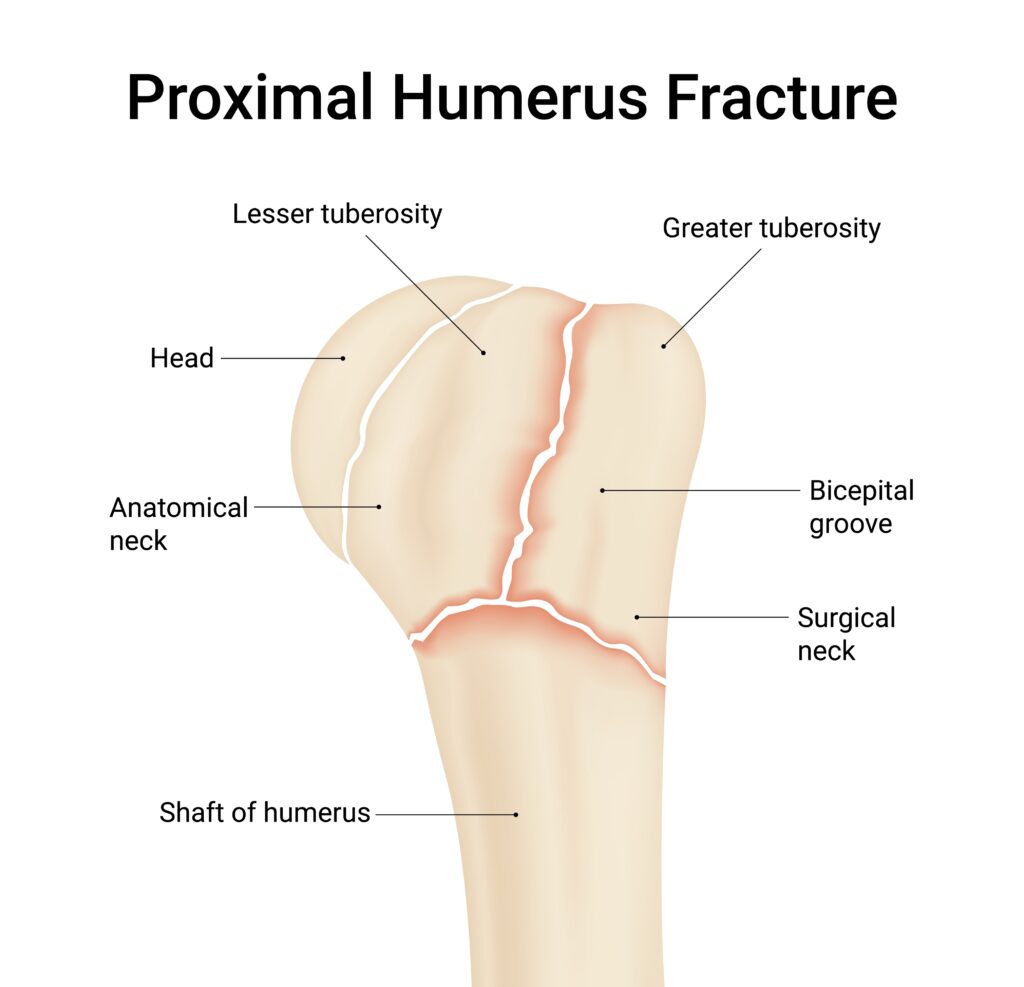
Proximal humeral fractures (PHFs) are gradually rising, especially amongst postmenopausal women. PHFs are associated with severe disability, prolonged recovery, and increased risk of mortality, often negatively impacting individuals’ independence in activities of daily living. Treatment of PHFs depends on the fracture type and the patient’s functional needs; however, the goal is typically to gain range of motion and shoulder function. This systematic review examined the results of early versus delayed rehabilitación following PHFs.
En la maleza:
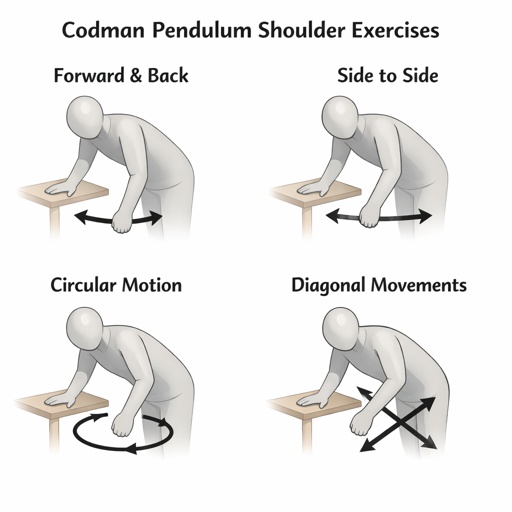
The systematic review followed the Preferred Reporting Items for Systematic Reviews and Meta-Analyses protocol guidelines. A literature search was conducted for studies published between 1980 and 2023 and included functional outcomes, pain, or patient quality of life for early versus delayed rehabilitation of PHF. The Cochrane Risk of Bias Assessment was used to examine the quality of the randomized controlled trials. Five studies, including 378 patients, were included in the review. Early rehabilitation was initiated within 7 days and mostly consisted of pendulum exercises and passive mobilization. By the 3rd and 4th weeks, early rehabilitation involved progressive full passive shoulder flexion and gentle functional ejercicios. Delayed rehabilitation was initiated within 3 weeks of immobilization.
Llévalo a casa:
The authors found that early rehabilitation resulted in lower pain, improved shoulder range of motion, and better function in the first 3 months compared to delayed rehabilitation. No significant functional or pain-related changes were discovered at the 6-month and 2-year follow-up. Immobilization is often associated with joint stiffness and muscle atrophy, potentially
prolonging disability. Early passive rehabilitación may shorten recovery time by promoting edema reuptake, preventing tissue contractures, and improving neuromuscular function. The authors concluded that a shortened immobilization period followed by early rehabilitation may lead to faster recovery of shoulder function and reduced disability, without negative consequences, compared with delayed rehabilitation in individuals with PHFs.
Rating: 4⁄5
This systematic review employed well-defined selection criteria, included long-term outcomes, and provided a compelling rationale for early rehabilitation. The evidence suggests early rehabilitation leads to faster recovery and independence for individuals with PHFs. Additionally, this review justifies the need for skilled hand therapy in the early stages of PHF
recovery. One limitation is that the review included studies of different fracture patterns and rehabilitation protocols, which limited consistency and confidence in the optimal rehabilitation protocol for PHFs. Future investigations should develop a standardized rehabilitation protocol, including radiologic imaging and frequent follow-ups, to identify best practices for PHF
rehabilitación.
Más para leer
Actividades de intervención de terapia manual para la neuropatía periférica inducida por quimioterapia (CIPN)
Publicación de blog escrita por: Rita Steffes Los pacientes con CIPN pueden presentar síntomas que incluyen entumecimiento, hormigueo, hipersensibilidad al frío, pérdida de la sensibilidad táctil o de vibración, disminución del equilibrio y dolor ardiente y punzante en las manos. Estos síntomas dificultan que los pacientes de oncología participar en todas las actividades de la vida diaria como vestirse, preparar comidas,…

Múltiples vías de cuidado del lugar del clavo en la terapia de la mano
Por: Megan Prather La prevalencia de la fijación externa con clavos en las extremidades superiores y las altas tasas de infección en el lugar de los clavos hacen que la identificación de un protocolo para el cuidado del sitio de los clavos sea importante para los terapeutas. En la literatura, existen muchos protocolos diferentes para el cuidado del sitio de los pines que varían en frecuencia, soluciones, materiales y limpieza manual. A pesar de muchos estudios…

¿Debemos seguir inmovilizando el pulgar en las fracturas de escafoides, o una escayola solo para la muñeca es igual de efectiva?
Artículo: Harper, KJ, Rees, Y., Tan, NX, Li, H., Fonseca, EA, Quach, PG, Lee, GS, Brayshaw, JR y McGarry, S. (2025). Determinación del éxito de los resultados clínicos de la inmovilización del pulgar en comparación con la ausencia de inmovilización en fracturas de escafoides no desplazadas y tratadas de forma no quirúrgica en adultos: una revisión sistemática. Revista de terapia ocupacional de Hong Kong. Resumen: Este estudio…

5 actividades de regreso a la cocina (que no requieren cocina)
La terapia de manos puede y debe basarse en gran medida en la ocupación. Cada semana escuchamos comentarios de pacientes que respaldan esa afirmación: “Necesito volver a trabajar” “Sólo quiero volver a jugar golf” “Ni siquiera puedo abrir una botella de agua” “Mi cónyuge tiene que hacer todo la cocina” Aunque los ejercicios estándar son útiles, es…

¡Regístrese para recibir actualizaciones directamente en su bandeja de entrada!
Regístrese con nosotros y le enviaremos publicaciones periódicas en el blog sobre todo lo relacionado con la terapia de manos, avisos cada vez que subamos nuevos videos y tutoriales, junto con folletos, protocolos y otra información útil.