

Early Rehabilitation vs. Conventional Immobilization in Nonoperative Treatment of Proximal Humeral Fracture
abgelegt unter Behandlungen
Treatment of Proximal Humeral Fracture: A Systematic Review Early Rehabilitation vs. Conventional Immobilization in Nonoperative
Treatment of Proximal Humeral Fracture: A Systematic Review Ranieri, R., Lacouture-Suarez, J. D., Ferrero, M., Longobardi, V., Cacace, F., Ferrero, A., Bertolino, E. M., Kon, E., Lipina, M., Lychagin, A., Di Matteo, B., & Castagna, A. (2024). Early rehabilitation vs. conventional immobilization in nonoperative treatment of proximal humeral fracture: A systematic review. European Review for Medical and Pharmacological Sciences, 28(11), 3771–3780. https://doi.org/10.26355/eurrev_202406_36382
Die Dünne:
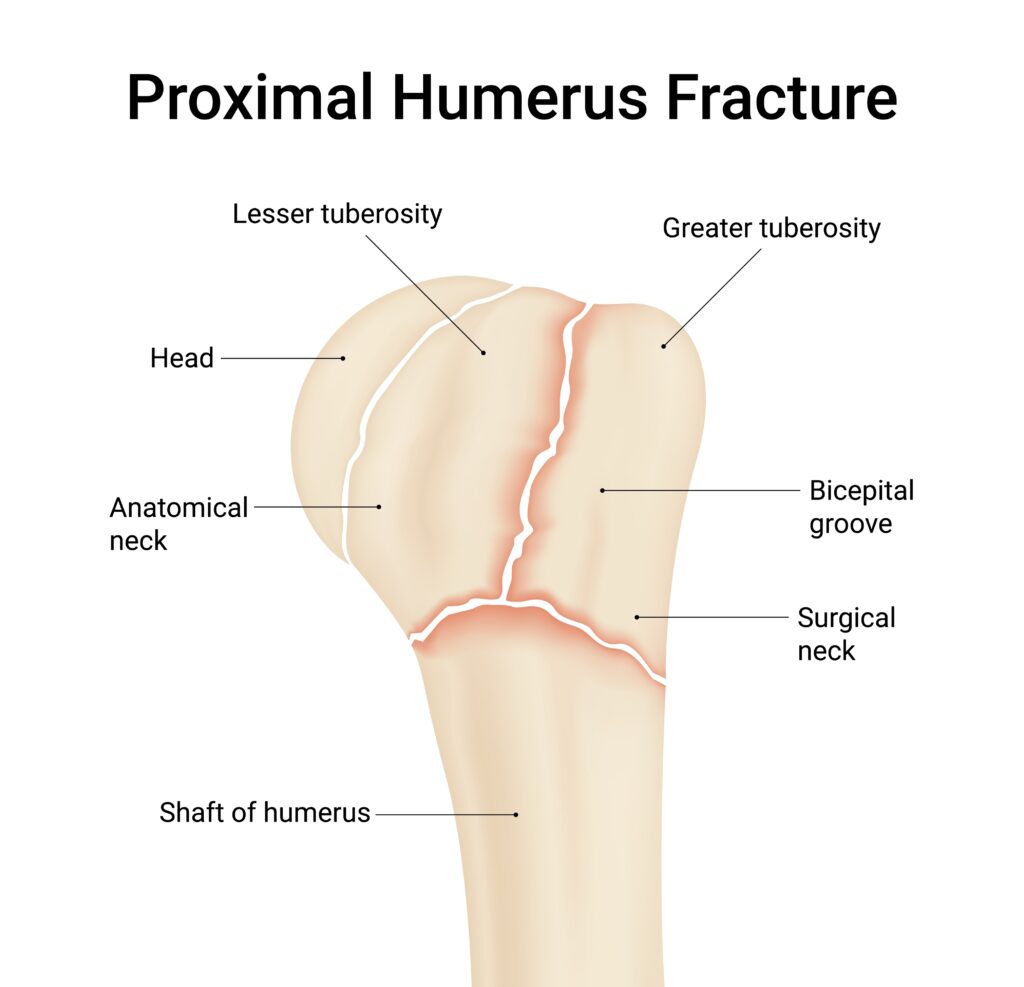
Proximal humeral fractures (PHFs) are gradually rising, especially amongst postmenopausal women. PHFs are associated with severe disability, prolonged recovery, and increased risk of mortality, often negatively impacting individuals’ independence in activities of daily living. Treatment of PHFs depends on the fracture type and the patient’s functional needs; however, the goal is typically to gain range of motion and shoulder function. This systematic review examined the results of early versus delayed Rehabilitation following PHFs.
Im Unkraut:
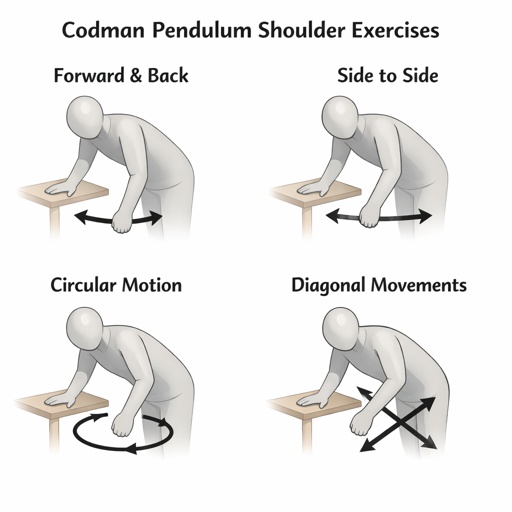
The systematic review followed the Preferred Reporting Items for Systematic Reviews and Meta-Analyses protocol guidelines. A literature search was conducted for studies published between 1980 and 2023 and included functional outcomes, pain, or patient quality of life for early versus delayed rehabilitation of PHF. The Cochrane Risk of Bias Assessment was used to examine the quality of the randomized controlled trials. Five studies, including 378 patients, were included in the review. Early rehabilitation was initiated within 7 days and mostly consisted of pendulum exercises and passive mobilization. By the 3rd and 4th weeks, early rehabilitation involved progressive full passive shoulder flexion and gentle functional Übungen. Delayed rehabilitation was initiated within 3 weeks of immobilization.
Nach Hause bringen:
The authors found that early rehabilitation resulted in lower pain, improved shoulder range of motion, and better function in the first 3 months compared to delayed rehabilitation. No significant functional or pain-related changes were discovered at the 6-month and 2-year follow-up. Immobilization is often associated with joint stiffness and muscle atrophy, potentially
prolonging disability. Early passive Rehabilitation may shorten recovery time by promoting edema reuptake, preventing tissue contractures, and improving neuromuscular function. The authors concluded that a shortened immobilization period followed by early rehabilitation may lead to faster recovery of shoulder function and reduced disability, without negative consequences, compared with delayed rehabilitation in individuals with PHFs.
Rating: 4⁄5
This systematic review employed well-defined selection criteria, included long-term outcomes, and provided a compelling rationale for early rehabilitation. The evidence suggests early rehabilitation leads to faster recovery and independence for individuals with PHFs. Additionally, this review justifies the need for skilled hand therapy in the early stages of PHF
recovery. One limitation is that the review included studies of different fracture patterns and rehabilitation protocols, which limited consistency and confidence in the optimal rehabilitation protocol for PHFs. Future investigations should develop a standardized rehabilitation protocol, including radiologic imaging and frequent follow-ups, to identify best practices for PHF
Rehabilitation.
Mehr zum Lesen

Arteriovenöse Malformation (AVM-Hand)
Von: Amalia Garcia Einführung Nach Abschluss meiner dreiwöchigen Handtherapie-Rotation der Stufe II habe ich eine Vielzahl häufiger Verletzungen der oberen Extremitäten gesehen, wie Karpaltunnelsyndrom, Frakturen des distalen Radius, Hammerfinger, Beugesehnenrisse, Arthritis und mehr. Eine Bedingung, die mir auffiel, war eine, von der ich noch nie gehört hatte …

Schulterinstabilität bei Kindern und Jugendlichen
Lin, KM, James, EW, Spitze, E. & Fabricant, PD (2018). Vordere Schulterinstabilität bei Kindern und Jugendlichen: Klinische Behandlung von erstmaligen Luxationen. Aktuelle Meinung in der Pädiatrie, 30, 49-56. doi: 10.1097/MOP.0000000000000566. The Skinny: Schulterinstabilität kommt bei pädiatrischen und jugendlichen Patienten recht häufig vor und wird oft durch eine hohe Reluxationsrate erschwert. Eine Schulterinstabilität tritt typischerweise auf, nachdem…

So verbessern Sie die feinmotorischen Übersetzungsfähigkeiten
Von: Josh MacDonald Die Grundlagen – Ich lege einen Stapel kleiner Gegenstände auf den Tisch und einen offenen Behälter, in den der Kunde sie legen kann. Welches Objekt ich verwende, hängt vom Level des Kunden ab. Dazu kommen wir später. Dann greifen sie mit einer 2-Punkt-Zangen eines davon und verschieben es ...

Intrinsische Handstärkung mit Puttycise-Werkzeugen
Wir sind immer auf der Suche nach Möglichkeiten zur intrinsischen Handstärkung. Es ist leicht, die Bedeutung dieser kleinen, aber feinen Muskeln zu übersehen. Sie sind für die Ausführung funktioneller Griffmuster unerlässlich. Aufgrund ihrer geringen Größe können sie innerhalb kurzer Zeit schwach werden. Also, wie funktioniert intrinsische Stärkung?! Die Grundlagen…

Melden Sie sich an, um Updates direkt in Ihren Posteingang zu erhalten!
Melden Sie sich bei uns an und wir senden Ihnen regelmäßig Blogbeiträge zum Thema Handtherapie, Benachrichtigungen jedes Mal, wenn wir neue Videos und Tutorials hochladen, zusammen mit Handzetteln, Protokollen und anderen nützlichen Informationen.