

Early Rehabilitation vs. Conventional Immobilization in Nonoperative Treatment of Proximal Humeral Fracture
Filed under Treatments
Treatment of Proximal Humeral Fracture: A Systematic Review Early Rehabilitation vs. Conventional Immobilization in Nonoperative
Treatment of Proximal Humeral Fracture: A Systematic Review Ranieri, R., Lacouture-Suarez, J. D., Ferrero, M., Longobardi, V., Cacace, F., Ferrero, A., Bertolino, E. M., Kon, E., Lipina, M., Lychagin, A., Di Matteo, B., & Castagna, A. (2024). Early rehabilitation vs. conventional immobilization in nonoperative treatment of proximal humeral fracture: A systematic review. European Review for Medical and Pharmacological Sciences, 28(11), 3771–3780. https://doi.org/10.26355/eurrev_202406_36382
The Skinny:
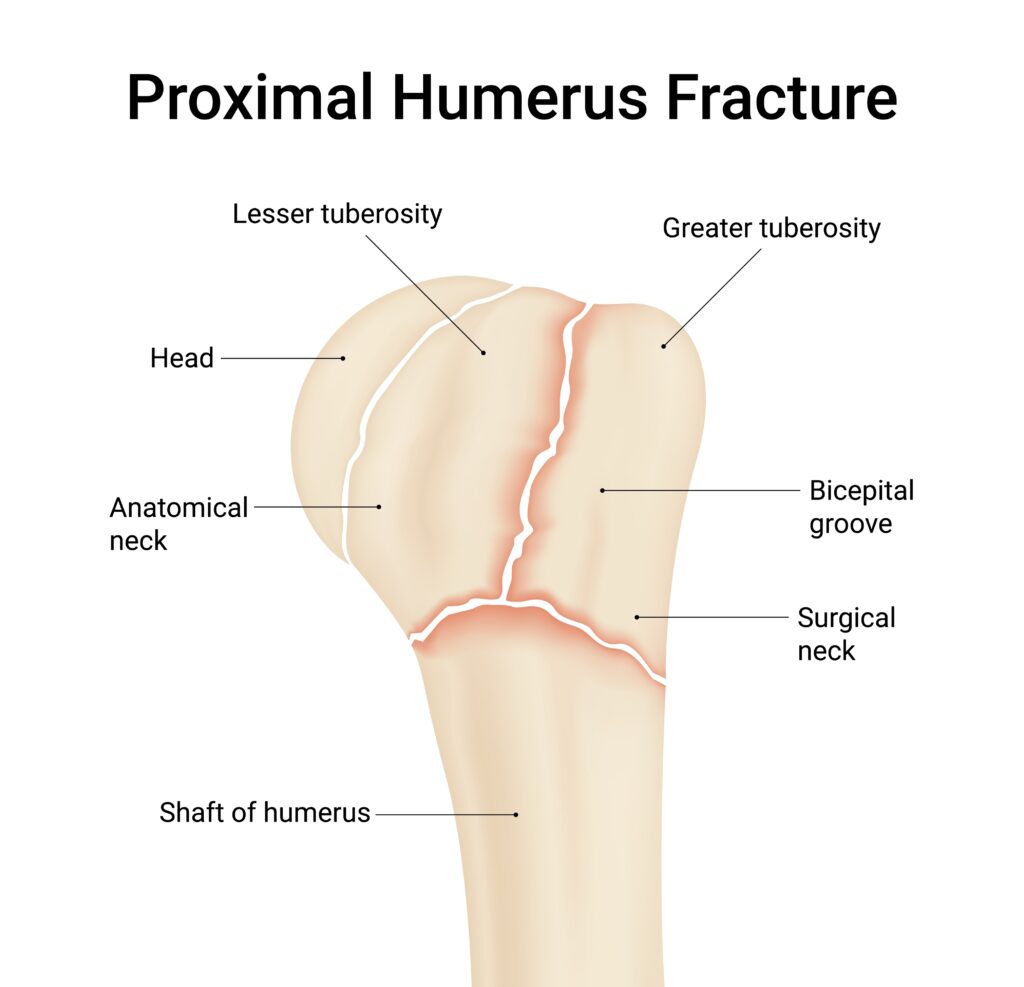
Proximal humeral fractures (PHFs) are gradually rising, especially amongst postmenopausal women. PHFs are associated with severe disability, prolonged recovery, and increased risk of mortality, often negatively impacting individuals’ independence in activities of daily living. Treatment of PHFs depends on the fracture type and the patient’s functional needs; however, the goal is typically to gain range of motion and shoulder function. This systematic review examined the results of early versus delayed rehabilitation following PHFs.
In the Weeds:
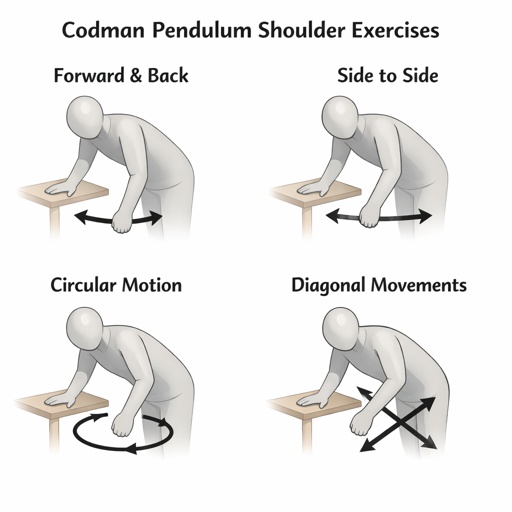
The systematic review followed the Preferred Reporting Items for Systematic Reviews and Meta-Analyses protocol guidelines. A literature search was conducted for studies published between 1980 and 2023 and included functional outcomes, pain, or patient quality of life for early versus delayed rehabilitation of PHF. The Cochrane Risk of Bias Assessment was used to examine the quality of the randomized controlled trials. Five studies, including 378 patients, were included in the review. Early rehabilitation was initiated within 7 days and mostly consisted of pendulum exercises and passive mobilization. By the 3rd and 4th weeks, early rehabilitation involved progressive full passive shoulder flexion and gentle functional exercises. Delayed rehabilitation was initiated within 3 weeks of immobilization.
Bringing it Home:
The authors found that early rehabilitation resulted in lower pain, improved shoulder range of motion, and better function in the first 3 months compared to delayed rehabilitation. No significant functional or pain-related changes were discovered at the 6-month and 2-year follow-up. Immobilization is often associated with joint stiffness and muscle atrophy, potentially
prolonging disability. Early passive rehabilitation may shorten recovery time by promoting edema reuptake, preventing tissue contractures, and improving neuromuscular function. The authors concluded that a shortened immobilization period followed by early rehabilitation may lead to faster recovery of shoulder function and reduced disability, without negative consequences, compared with delayed rehabilitation in individuals with PHFs.
Rating: 4⁄5
This systematic review employed well-defined selection criteria, included long-term outcomes, and provided a compelling rationale for early rehabilitation. The evidence suggests early rehabilitation leads to faster recovery and independence for individuals with PHFs. Additionally, this review justifies the need for skilled hand therapy in the early stages of PHF
recovery. One limitation is that the review included studies of different fracture patterns and rehabilitation protocols, which limited consistency and confidence in the optimal rehabilitation protocol for PHFs. Future investigations should develop a standardized rehabilitation protocol, including radiologic imaging and frequent follow-ups, to identify best practices for PHF
rehabilitation.
More To Read

Graded Motor Imagery in Hand Therapy
The 3 Stages of Graded Motor Imagery We’ve all heard of mirror box therapy, but do you know the details of how it works? There’s actually 3 stages involved that exercise the brain and take advantage of its plasticity. There is a great deal of evidence supporting these three stages and you can use them…
Tennis Elbow and Graded Exercises
Lateral Elbow Pain with Graded Exercise Chronic tennis elbow with a supervised graded exercise protocol Özdinçler, A. R., Baktır, Z. S., Mutlu, E. K., & Koçyiğit, A. (2023). Chronic lateral elbow tendinopathy with a supervised graded exercise protocol. Journal of Hand Therapy, 36(4), 913–922. https://doi.org/10.1016/j.jht.2022.11.005 The Skinny: This study looked at the effectiveness of an…

Splinting vs Stretching after a Stroke to treat Hand Spasticity
Splinting versus Stretching to improve hand function and reduce hand spasticity after stroke Reference: Ahmad Khan, M., & Singh, P. (2018, February). Effect of Hand Splinting versus Stretching Exercises for Reducing Spasticity and Improving Hand Function in Poststroke Hemiplegia: AComparative Interventional Study. Retrieved December 4, 2022, fromhttps://www.ijotonweb.org/article.asp?issn=0445 -7706;year=2018;volume=50;issue=4;spage=125;epage=129;aulast=Khan The Skinny: A comparative study by Khan…
Common Median Nerve Injuries
Common Median Nerve Injuries By: Madison Mott Did you know!? Aside from the most common upper extremity nerve compression, carpal tunnel syndrome (CTS), there are several additional median nerve injuries. Pronator SyndromeCompression of the median nerve between the two heads of pronator teres. Result of recurrent, forceful gripping, forearm rotation, or elbow flexion. Signs include…

Sign-up to Get Updates Straight to Your Inbox!
Sign up with us and we will send you regular blog posts on everything hand therapy, notices every time we upload new videos and tutorials, along with handout, protocols, and other useful information.