

Article Review: Trapeziectomy and LRTI: What can patients with CMC osteoarthritis expect 12 months after the procedure?
Filed under Reviews, Treatments
Janakiramanan, N., Miles, O., Collon, S., Crammond, B., McCombe, D., & Tham, S. K. (2021). Functional Recovery Following Trapeziectomy and Ligament Reconstruction and Tendon Interposition (Trapeziectomy and LRTI): A Prospective Longitudinal Study. The Journal of hand surgery, S0363-5023(21)00304-X. Advance online publication. https://doi.org/10.1016/j.jhsa.2021.04.036
The skinny:
Patients with trapeziometacarpal (TMC) osteoarthritis who are candidates for a trapeziectomy and ligament reconstruction and tendon interposition (LRTI) often receive preoperative counseling. Hence, they understand what their recovery (LRTI surgery recovery) and level of function will most likely look like after they undergo the procedure. This was a prospective study aimed to determine the functional recovery of patients who undergo the procedure using the flexor carpi radialis tendon (FCR) for the first 12 months post-operation to provide better education and counseling for future candidates (trapeziectomy recovery).
In the Weeds:
The study included 55 LRTI Surgery Patient Reviews with TMC osteoarthritis whose symptoms were not alleviated with conservative treatment (splinting and NSAIDs) for at least 3 months. Patients were not included if they already have previous TMC surgeries, other procedures done to the thumb/hand in conjunction with the trapeziectomy and LRTI and if they had arthritis due to chronic autoimmune conditions. Pre-operation, each patient filled out a DASH and Patient-Rated Wrist Evaluation (PRWE) to determine functional use of the hand. Thumb opposition, palmar abduction, radial abduction, grip strength, and pinch strength were all measured pre-operation as well as their Kapandji score. Lastly, pain was assessed using a 10-point visual analogue scale. After the patients underwent the procedure, they were all casted for 2 weeks then received a thermoplastic orthosis for the following 4 weeks. Patients’ functional and objective outcomes were reassessed at 3, 6, 9, and 12 months post-operation.
Bringing it Home:
Compared to baseline measurements, all patient-reported measures (DASH, PRWE) showed significant improvements at the 3, 6, and 9-month follow-up. The DASH and PRWE scores plateaued at 9 months but at the 12-month follow-up patients’ pain scores had significantly improved and 84% had a pain score of 2 or less and 36% reported no pain. Four patients reported a pain score of 3 or more due to FCR tendonitis that was resolved with a cortisone injection after the study was completed.
Kapandji scores had declined at the 3-month follow-up but had reached preoperative scores by 6 months. There were no significant improvements at the 9 and 12-month follow-ups.
Palmar abduction significantly improved from preoperative measurements at 3 months and continued to make improvements until the 9 month follow-up. Radial abduction significantly improved from baseline by the 6 month follow-up but no further improvements were made after.
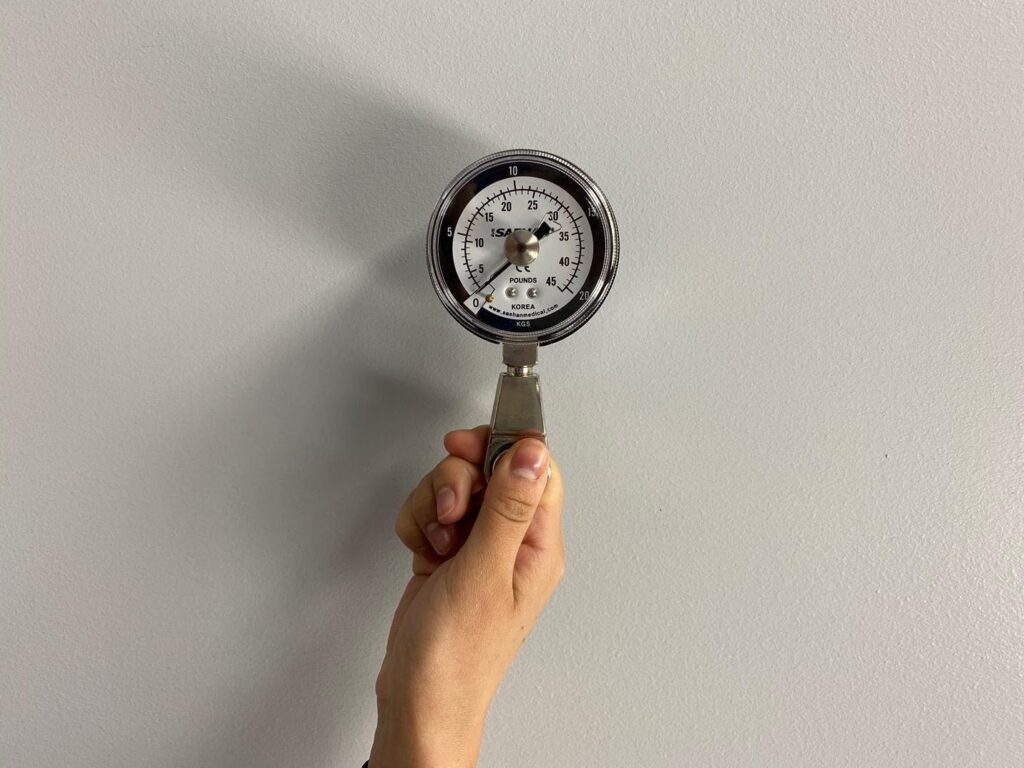
Power grip strength decreased at 3 months but significantly improved from baseline values at the 6 months and 9-month follow-up. Key pinch significantly decreased at the 3-month check but returned to preoperative measurements by 6 months. Tip pinch also decreased at 3 months but significantly improved from baseline measurements at the 12-month follow-up.
Rating: 4/5
The findings of this study can be utilized by surgeons and hand therapists to educate patients on the potential outcomes of the trapeziectomy and LRTI within the first year post-operation. The study’s limitations include the small sample size and short follow-up of 12 months. The functional benefits of the procedure beyond one year cannot be concluded from this study alone.
More To Read

Hand Therapy as a New Grad or Student
Tips for Getting Prepared for hand therapy as a new grad or a Level II Fieldwork Everything you need to know in hand therapy starts with the upper extremity anatomy. Here is a quick checklist to review and hopefully help get you started in your new hand therapy setting. By: Tristany Hightower I suggest, as…
Discovering Connections Between Trigger Finger and Dupuytren’s
Discovering Connections Between Trigger Finger and Dupuytren’s By: Tayer Roost Reference: Yang, Gehring, M., Bou Zein Eddine, S., & Hettinger, P. (2019). Association between stenosing tenosynovitis and dupuytren’s contracture in the hand. Plastic and reconstructive surgery. Global open, 7(1), e2088–e2088. https://doi.org/10.1097/GOX.0000000000002088 The Skinny: This retrospective chart review discussed the possibility of a correlation between stenosing…
K-tape and Cerebral Palsy
Allah-Rastii, Z., Shamsoddini, A., Dalvand, H. and Labaf, S. (2017). The effect of kinesio taping on handgrip and active range of motion of hand in children with cerebral palsy. Iranian Journal of Child Neurology, 11(4), 43-51. The Skinny: Cerebral palsy is a non-progressive motor impairment caused by injury to the developing brain that can…
Pros and Cons of Cortisone Injections
By: Shruti Jani Patients will often times ask the therapist their opinion on cortisone injections. Cortisone injections can be very helpful and significantly reduce inflammation, however, some therapists feel this can mask the pain not treating the true root cause of the problem. This is often debated among therapists. A short synopsis of the pros…

Sign-up to Get Updates Straight to Your Inbox!
Sign up with us and we will send you regular blog posts on everything hand therapy, notices every time we upload new videos and tutorials, along with handout, protocols, and other useful information.