The 3 Stages of Graded Motor Imagery
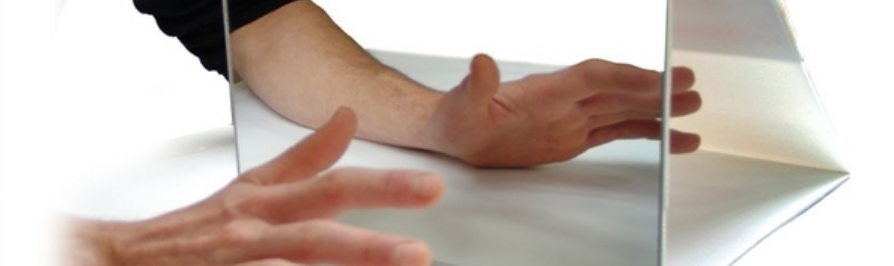
We’ve all heard of mirror box therapy, but do you know the details of how it works? There’s actually 3 stages involved that exercise the brain and take advantage of its plasticity. There is a great deal of evidence supporting these three stages and you can use them with confidence. It should be noted that all 3 stages must be used in sequence to be effective.
Stage 1: Laterality
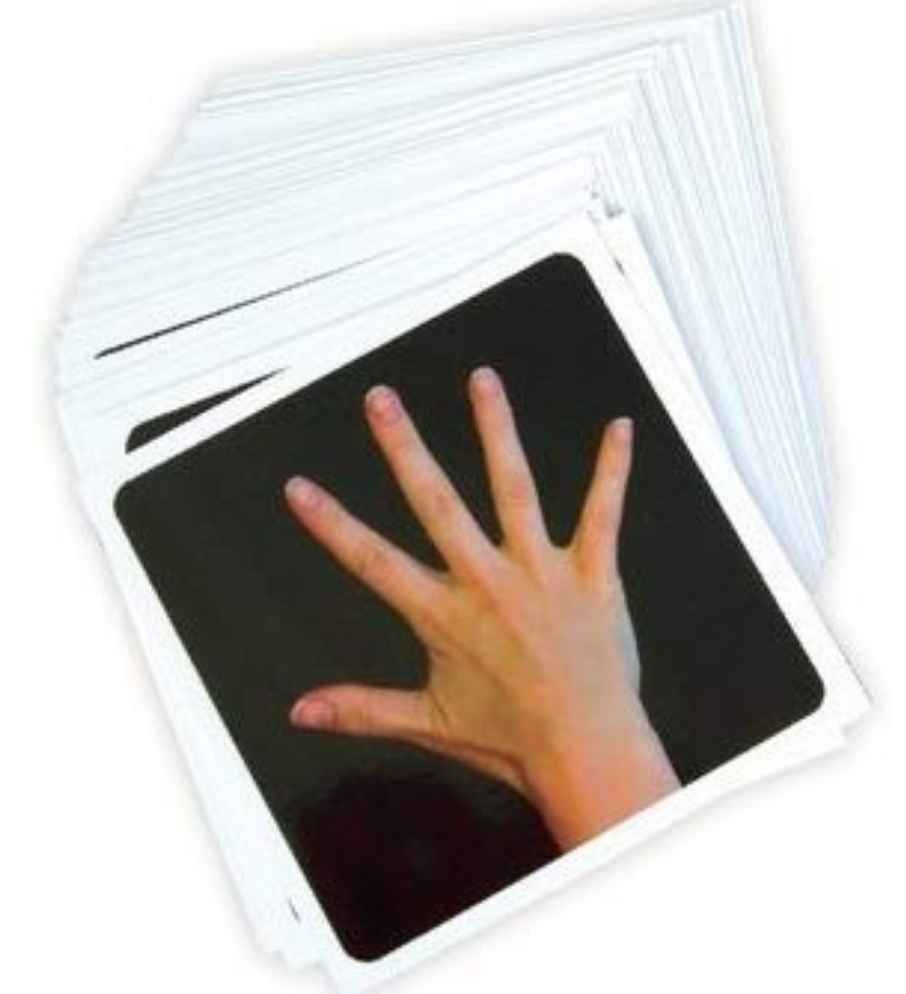
Laterality is the ability to identify if a body part as being left or right sided when shown an image of the body part. For example if a patient is experiencing pain in their hand, you would show them pictures of hands and have them identify if the hand shown is a left hand or a right hand. This is important for recovery from pain and improved mind-body awareness. Limb laterality recognition activates premotor (association) cortices, not the primary motor cortex. This is a precursor to the other two steps and prepares the brain for further association processes.
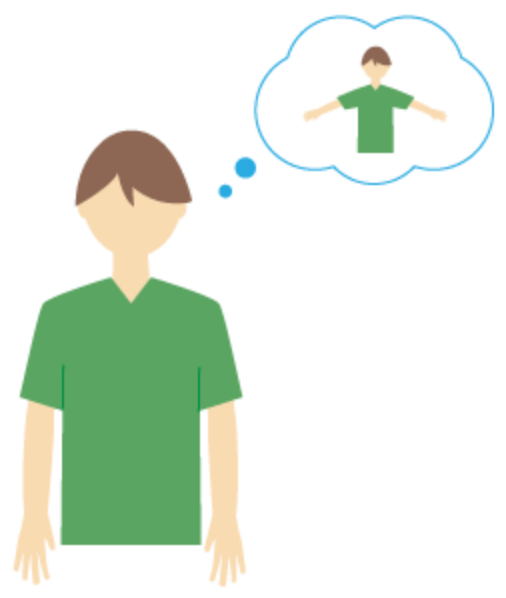
Images of left and right hands can be presented to the patient on flashcards, online, or through free Apps on your phone (orientate). The more the better.
Stage 2: Explicit Motor Imagery
This stage involves imagining movements without actually moving. Much like an athlete envisioning the movements before they do them, your patient will imagine movements of the affected hand without moving it. This activity activates the premotor cortex as well as the motor cortex, allowing the basis for graded motor imagery progression. Mirror neurons in the brain are a clear target during this activity. For example you might ask your patient to imagine their hand doing a specific activity or to imagine manipulating a certain object. Visualization of motor movements without pain improves the body’s ability to move in the same pattern without perceived pain.
Stage 3: Mirror Therapy
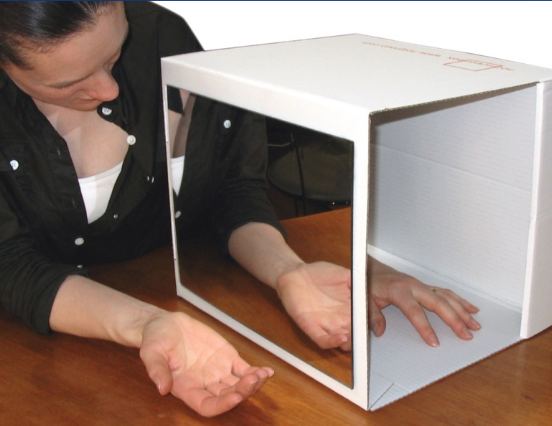
The final stage is to use a mirror to present the reverse image of a limb to the brain, thus “tricking” the brain. Some common mirror progressions may include:
- Looking at the hand
- Turning the hand up and down via the arm
- Flatten the hand
- Move individual fingers
- Thumb to fingers
- Tapping fingers
- Tool usage
A lot of research has been done to show the effectiveness of graded motor imagery on CRPS. You may also find this technique to be useful for stroke patients, phantom limb pain, and other neurologically based phenomena.
You can check out our video “How to Make a Mirror Box” for details on making a low cost mirror box for your clinic.
More To Read
The Role of Sensory Re-education After Nerve Injury
Priya, B. A. (2012). Effectiveness of Sensory Re-education after Nerve Repair (Median or Ulnar Nerve) at the Wrist Level. Indian Journal of Physiotherapy & Occupational Therapy, 6(3), 62–68. The Skinny The human nervous system is incredibly complex and, once damaged, requires significant time to repair. A previous study (Bentzel, K 2002) identifies that with peripheral…
Scapholunate Wrist Injuries in Hand Therapy
Scapholunate Wrist Injuries in Hand Therapy In outpatient hand therapy, we get a variety of referrals ranging from post-operative patients to those looking to avoid or prolong surgery. These referrals come from a variety of sources ranging from primary care doctors to experienced hand surgeons. The therapy orders can be vague to very specific. …
Upper extremity weight-bearing tolerance
Barlow, S.J., Scholtz, J. & Medeiros (2020). Wrist weight-bearing tolerance in healthy adults. Journal of Hand Therapy, xxx currently in press. The Skinny Wrist pain and instability are common occurrences and can occur with acute or chronic injuries. This leads to significant dysfunction, including the inability to tolerate axial loading through the upper extremity. There is…
Handlebar Palsy also known as Ulnar Nerve Compression
Handlebar Palsy also known as Ulnar Nerve Compression Handlebar palsy, also known as ulnar nerve compression, is a condition commonly experienced by cyclists due to prolonged pressure on the ulnar nerve at the wrist in an area called Guyon’s Canal. This pressure can occur from putting pressure on the handlebars or gripping the handlebars tightly. …

Sign-up to Get Updates Straight to Your Inbox!
Sign up with us and we will send you regular blog posts on everything hand therapy, notices every time we upload new videos and tutorials, along with handout, protocols, and other useful information.