It’s what every patient is talking about when they come in? With the suspension of every major sport, international travel banned, and hospital quarantines, everyone wants to know what their own therapists are doing to address the problem.
I’m a small business owner and therapist. That means I really have 3 priorities.
1: Protect my patients
2: Protect myself (and my loved ones)
3: Protect my business (and its employees)
The good news: all of those can be achieved in the same way.
At our clinic, we have begun working to keep everyone, and everything, as sanitary as possible. We had always tried to sanitize often, but now our efforts have increased as we become more aware and more concerned.
- We are wiping down all tables and chairs every morning and again throughout the day
- We are asking all of our patients to wash theirs hand or use hand sanitizer when they first walk in.
- We clean as many of our items as possible after each patient uses them.
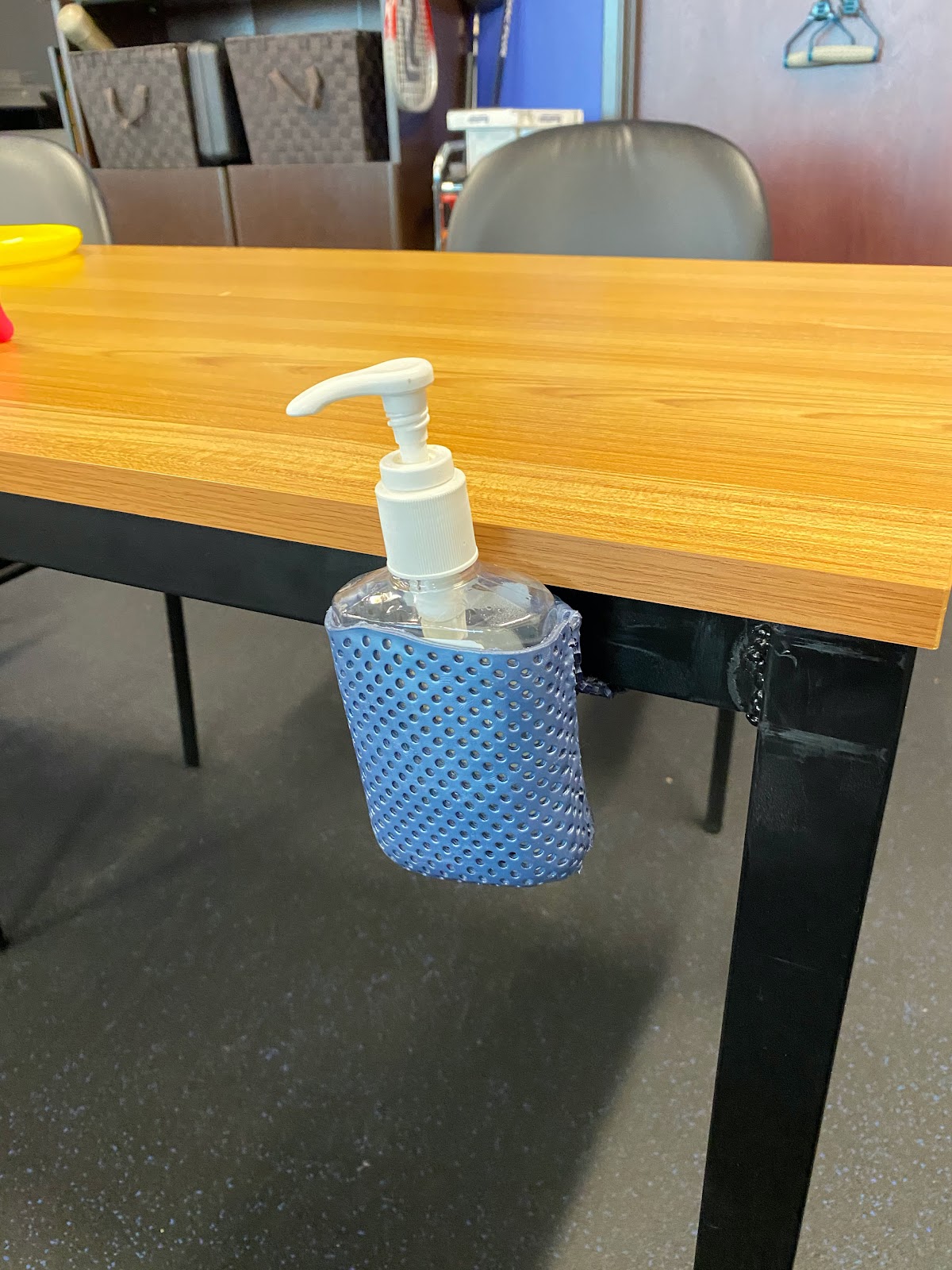
- We have hand sanitizer stationed every 5 feet around our therapy tables.
- We are working diligently to avoid unnecessary hand and face contact.
But… Is that all necessary? Smart people can disagree on the severity, risks and danger of this new strain of Coronavirus. But we have made the choice to be as clean as possible. If it isn’t truly necessary, no real harm has been done by being more clean. Being as clean as possible only serves to reduce the exposure of our patients, ourselves and our loved ones.
But I have another concern, the security of my small business. The jobs created by my small business rely on the success of my business. While I’m not prone to paranoia I also realize the current culture that we live in. If I hold fast to a belief that this is ‘just another strain of the flu” and do not take measures that show due diligence, I open up my business to litigation and risk if several of my patients get sick. Or, if I have just one patient that is bothered at a lack of action, it puts my business at risk.
Whether or not you believe there is a real danger to public health we should be proactive with disinfecting regularly. But are you doing anything above and beyond the normal right now?
What is your clinic doing to respond to the current situation?
3 Comments
Leave a Comment
More To Read
Comparison of Erb’s Palsy and Klumpke’s Palsy: Symptoms, Presentation, and Treatment Options
What is the brachial plexus? The brachial plexus is a group of nerves originating from the cervical and thoracic nerve roots (from C5 to T1). The brachial plexus forms 5 peripheral nerves of the upper extremity, consisting of the musculocutaneous, median, radial, ulnar, and axillary nerves. This group of nerves supplies motor and sensory innervation…

5 return-to-cooking activities (that don’t require a kitchen)
Hand therapy can and should be very occupation-based. Every week, we hear comments from patients that back that statement up: “I need to get back to work” “I just want to golf again” “I can’t even open a water bottle” “My spouse has to do all of the cooking” Although standard exercises are helpful, it’s…
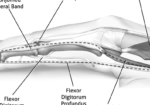
What is the real job of the Lumbricals?
Crowley, J. S., Meunier, M., Lieber, R. L., & Abrams, R. A. (2020). The Lumbricals Are Not the Workhorse of Digital Extension and Do Not Relax Their Own Antagonist. The Journal of Hand Surgery. The Skinny: What do the lumbricals do? There is a long-standing belief that the lumbricals act as a counterforce to the…
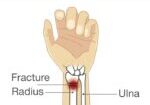
Distal radius fracture types seen in the hand therapy clinic
Distal radius fractures are one of the most common injuries seen in hand therapy. Several different distal radius fracture classification systems have been developed, and this blog post will focus on the more common types of distal radius fractures and their classification. Extra-articular fractures are either nondisplaced or displaced fractures. These fractures occur outside…

Sign-up to Get Updates Straight to Your Inbox!
Sign up with us and we will send you regular blog posts on everything hand therapy, notices every time we upload new videos and tutorials, along with handout, protocols, and other useful information.
I jumped to look at this link because of what is happening today and I’m wondering what other clinics are doing! We live in LA and my boss is the owner of a small hand clinic. I guess the same measures you’ve stated have been taken. But is that all that can be done? I understand my boss’s perspective on keeping the clinic open, but he challenged me to ask what other feasible options are there? I’ve thought of a couple.. would love your feedback!
-ask 65+ to stay home unless surgical
-temperature and screenings
-family members/caregivers stay outside
-even paper masks act as tactile cue not to touch face to complete transmission
-And/or limit ppl to only surgical at this time ..or high priority
I work in a community living Center (SNF) That also houses short term rehab patients. Besides making everyone wash their hands and keeping the clinic as clean as possible, I am teaching them how to wash their hands properly and educating them on how to keep themselves safe. My administration is currently considering telework, but this will be a challenge for many reasons. Would love to hear what others are doing
You should follow the CDC WARNINGS