

By: Lucas Godwin
How Weather Changes Affect Joint Pain
Numerous potential factors can cause weather-related joint pain, including humidity, temperature, precipitation, and changes in barometric pressure. Scientists have performed many studies on joint pain and weather over the years, but so far, none can say for sure what the connection is. Timmermans et al., 2015 discovered a significant interaction effect between daily average humidity and temperature on joint pain. The study also found that the impact of humidity on pain was more substantial in relatively cold weather conditions (Timmermans et al., 2015). Smedslund et al., 2009 found that weather sensitivity seems to be a continuum and a highly individual phenomenon in patients with joint pain, and there was no clear association between weather variables and joint pain. Even though the science isn’t clear, joint pain symptoms due to weather changes are a real problem for many people.
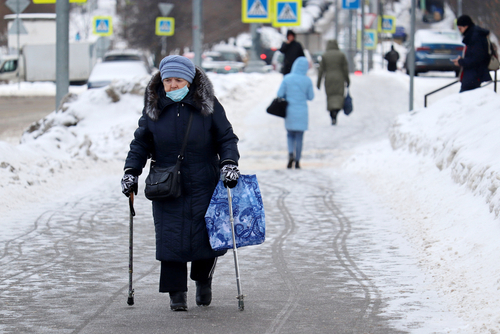
When the temperature decreases, your body attempts to conserve heat by limiting blood flow to the hands in order to pump more blood to the lungs and heart. This can cause stiffness and pain in the hands.
Five Things You Can Do to Limit Weather-Related Impacts on Joints
- Maintain a Neutral Body Temperature
- When temperatures drop, it is essential to stay warm. Staying warm can include dressing in layers, using heated blankets or heat packs, and taking warm showers or baths.
- When it is warm outside, stay cool. This can include dressing lighter, using cooling packs, staying in air-conditioned areas, and limiting overexertion outdoors.
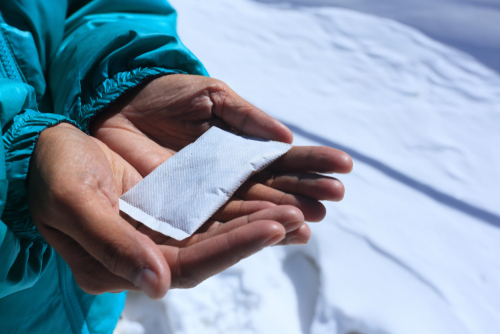
- using hand warmers can be very helpful. These can be disposable hand warmers and one that is rechargeable.
- Paraffin Baths
- Paraffin baths can help increase blood flow, relax muscles, and decrease joint stiffness. A paraffin bath involves dipping one’s hand into paraffin wax approximately seven times for 1-2 seconds and letting the wax harden onto the skin. Paraffin baths can be especially helpful for hand arthritis and hand pain.
- Edema Gloves
- Edema gloves can be worn to assist in easing pain, reducing swelling, and improving the function of the hands. Edema gloves will also help keep the hands warm and can decrease stiffness.
- Therapeutic Activities
- Staying active will help build up strength in the muscles and bones. Therapeutic activities such as yoga, water exercise, and walking can benefit individuals with weather-related joint pain.

- Positive Attitude – Staying positive when it is cold and rainy can be difficult but a positive mindset can go a long way in improving one’s mood.
- Doctor Consult
- A doctor consult is recommended if pain still exists after the previous measures are taken. The doctor may recommend pain medications like non-steroidal anti-inflammatory drugs (NSAIDs).
References
Quick DC. Joint pain and weather. A critical review of the literature. Minnesota Medicine. 1997 Mar;80(3):25-29. PMID: 9090247.
Smedslund, G., Mowinckel, P., Heiberg, T., Kvien, T. K., & Hagen, K. B. (2009). Does the weather really matter? A cohort study of influences of weather and solar conditions on daily variations of joint pain in patients with rheumatoid arthritis. Arthritis & Rheumatism, 61(9), 1243–1247. https://doi.org/10.1002/art.24729
Timmermans, E. J., Schaap, L. A., Herbolsheimer, F., Dennison, E. M., Maggi, S., Pedersen, N. L., Castell, M. V., Denkinger, M. D., Edwards, M. H., Limongi, F., Sánchez-Martínez, M., Siviero, P., Queipo, R., Peter, R., van der Pas, S., & Deeg, D. J. H. (2015). The influence of weather conditions on joint pain in older people with osteoarthritis: Results from the European project on osteoarthritis. The Journal of Rheumatology, 42(10), 1885–1892. https://doi.org/10.3899/jrheum.141594
More To Read
Why Scar Massage Matters After Hand Surgery
After hand surgery or an upper extremity injury, most people expect some pain, swelling, and stiffness. What patients do not always expect is how much a scar can affect movement and comfort. Even when an incision looks healed on the outside, the tissue underneath may still feel tight, sensitive, or restricted. This is where scar…
Scapholunate Wrist Injuries in Hand Therapy
Scapholunate Wrist Injuries in Hand Therapy In outpatient hand therapy, we get a variety of referrals ranging from post-operative patients to those looking to avoid or prolong surgery. These referrals come from a variety of sources ranging from primary care doctors to experienced hand surgeons. The therapy orders can be vague to very specific. …

Use of Proprioception in Rotator Cuff Repair
Article Review By Brittany Day Upper Limb Active Joint Repositioning During a Multijoint Task in Participants with and without Rotator Cuff Tendinopathy and Effect of a Rehabilitation Program Pairot de Fontenay, Benoit, Mercier, Catherine, Bouyer, Laurent, Savoie, Alexandre, & Roy, Jean-Sébastien. (2019). Upper limb active joint repositioning during a multijoint task in participants with and…

Title: Understanding De Quervain’s Pathology: A Comprehensive Exploration of Special Tests
Understanding De Quervain’s Pathology: A Comprehensive Exploration of Special Tests By: Miranda Materi De Quervain’s and Special Tests De Quervain’s tenosynovitis is a condition characterized by inflammation of the tendons on the thumb side of the wrist, causing pain and discomfort. These tendons include Abductor Pollicis Longus (APL) and Extensor Pollicis Brevis as they pass through…

Sign-up to Get Updates Straight to Your Inbox!
Sign up with us and we will send you regular blog posts on everything hand therapy, notices every time we upload new videos and tutorials, along with handout, protocols, and other useful information.