

A Hand Therapist’s Role in Nutrition Education for Wound Healing
Filed under Holistic Therapy
By Brittany Day
Role of nutrition in wound healing
Nutrition plays an important function in the biological factors that contribute to normal wound healing (wound care nutrition). Patients without nutrient dense diets may experience diminished cell production, collagen synthesis, and wound contraction. There is sparse scientific evidence that explores the exact science behind nutrition and the affect it has on wound healing, so precaution should be taken when giving recommendations to patients – poor nutrition and wound healing are tightly connected. Nutrition is one of several factors that contribute to wound healing and as such should be addressed holistically. This post will summarize the existing evidence and provide insight regarding the role of a hand therapist in discussing the value of good nutrition with patients.
The Evidence: Macronutrients
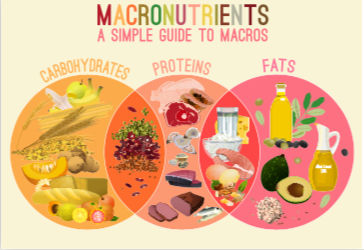
Macronutrients include protein, carbohydrates, and fat. This makes up the bulk of our diet and each play an important role in wound healing:
- Protein – Contributes to tissue growth and cell repair following injury through RNA/DNA synthesis, collagen formation, epidermal growth, and keratinization. Protein deficiency is strongly associated with poor wound healing prognosis. Foods high in protein include: Edamame, Lentils, Split Peas, Lean Meats, Greek Yogurt, and Egg Whites.
- Carbohydrates – Fuel the body with energy. Glucose, a chemical derived from carbohydrates, contributes to fibroblast proliferation. Patients with chronic wounds have been recorded as having deficiencies in glucose. Good sources of carbohydrates include: Minimally Processed Whole Grains, Whole Fruit, Vegetables, and Beans.
- Fat – Essential in epidermis formation, cell membrane synthesis, epidermal phospholipids, normal inflammatory reactions, and intracellular matrix synthesis. Healthy sources of fat include: Olive Oil, Canola Oil, Avocado, Nuts, Salmon, Mackerel, and Flaxseeds.
The Evidence: Micronutrients
Micronutrients are made up of vitamins, minerals, and trace elements that are essential for physiologic functions associated with healing. These nutrients are available in a variety of meats, vegetables, fruits, spices, and fortified cerials. Below are brief snippets of vitamins and minerals and their role in wound healing:
- Vitamin A – An important factor for epidermal proliferation, reepithelialization, and can reverse corticosterioid-induced inhibition of wound healing. Deficiencies may lead to decreased collagen stability and increases susceptibility to infection. Research has reported vitamin A deficiencies in chronic wound patients.
- Vitamin B – Promotes cell proliferation and deficiencies can lead to decreased wound healing as well as decreased breaking strength.
- Vitamin C – Although vitamin C does not have specific guidelines for wound care, it is associated with collagen defects and abnormal scar formation.
- Vitamin D – Involved in the inhibition of calcitonin and parathyroid hormones that are involved in cartilage, bone remodeling, and neuromuscular functioning.
- Vitamin E – Prevents ischemia, necrotic tissue, and microbial flora that enhance free radical formation. Vitamin E may also impair collagen synthesis, so supplementation is controversial.
- Vitamin K – Important factor in coagulation and bone metabolism. Deficiency can result in hemorrhage, impaired wound healing, and infection.
- Calcium – Regulates basal cell proliferation, however little is known of the role calcium takes in wound healing.
- Copper – A cofactor for several enzymatic systems including those that create cross-linking reactions for scar strengthening. A copper deficiency can result in impaired wound healing and diminished tensile strength of scar.
- Iron – Has a role in many healing functions such as hemoglobin formation, metabolism of free radicals, mitochondrial respiration, and collagen hydroxylation. Deficiency may cause decreased bactericidal ability by white blood cells, abnormal keratinization, and decreased tensile strength.
- Zinc – Plays a role in 70 major enzymatic systems involved with wound healing that contribute to cell membrane stabilization, carbohydrate metabolism, and vitamin mobilization.
Hand Therapist’s Role in Addressing Nutrition
It is our role to stay informed and educate our patients on the broad topic of nutrition. It is not reasonable to prescribe nutritional supplements for wound healing; however, if a patient has a wound that is not healing well, inform them on all of the components related to proper wound healing. Encourage patients to consume a balanced diet that includes meats, grains, fruits, vegetable, legumes, nuts, and fortified cereals. Suggesting they seek out services from a certified nutritional specialist. Discourage harmful substances such as alcohol and tobacco products.
References:
Brown, Katherine L., MD, & Phillips, Tania J., MD, FRCPC. (2010). Nutrition and wound healing. Clinics in Dermatology, 28(4), 432-439.
Cleveland Clinic. (2019, November 18). 8 High-Protein Foods to Reach for (Dietitian Approved). Retrieved August 31, 2020, from https://health.clevelandclinic.org/8-high-protein-foods-to-reach-for-dietitian-approved/
Cooper, C. (2007). Fundamentals of hand therapy: Clinical reasoning and treatment guidelines for common diagnoses of the upper extremity. St. Louis: Mosby Elsevier.
Harvard Health. (2019, May 22). Carbohydrates. Retrieved August 31, 2020, from https://www.hsph.harvard.edu/nutritionsource/carbohydrates/
Harvard Health. (2015, February). The truth about fats: The good, the bad, and the in-between. Retrieved September 01, 2020, from https://www.health.harvard.edu/staying-healthy/the-truth-about-fats-bad-and-good
More To Read
Shoulder Pain: The Effectiveness of Conservative Treatment
Reference: Steuri, R., Sattelmayer, M., Elsig, S., Kolly, C., Tal, A., Taeymans, J., & Hilfiker, R. (2017). Effectiveness of conservative interventions including exercise, manual therapy and medical management in adults with shoulder impingement: a systematic review and meta-analysis of RCTs. British journal of sports medicine, 51(18), 1340–1347. https://doi.org/10.1136/bjsports-2016-096515 By: Tayler Roost The Skinny: This study…

Title: Understanding De Quervain’s Pathology: A Comprehensive Exploration of Special Tests
Understanding De Quervain’s Pathology: A Comprehensive Exploration of Special Tests By: Miranda Materi De Quervain’s and Special Tests De Quervain’s tenosynovitis is a condition characterized by inflammation of the tendons on the thumb side of the wrist, causing pain and discomfort. These tendons include Abductor Pollicis Longus (APL) and Extensor Pollicis Brevis as they pass through…
Does Obesity or Smoking change the outcomes for Distal Radius Fractures
Hall, Matthew J., Ostergaard, P., Dowlatshahi, A., Harper, C., Earp, B. Rozental, T. (2019). The Impact of Obesity and Smoking on Outcomes After Volar Plate Fixation of Distal Radius Fractures. The Journal of Hand Surgery. In Press, Corrected Proof, Available online 31 October 2019. Doi: https://doi.org/10.1016/j.jhsa.2019.08.017 The Skinny- Distal radius fractures are one of the…

Rapid Review: Is Finger Splinting Necessary after Flexor Tendon Repair?
Outcome of Flexor Tendon Repair Using Eight-Strand Core Stitch Without Postoperative Finger Splinting Reference: El-Gammal, T. A., Kotb, M. M., Ragheb, Y. F., El-Gammal, Y. T., & Anwar, M. M. (2024). Outcome of Flexor Tendon Repair Using Eight-Strand Core Stitch Without Postoperative Finger Splinting. HAND. https://doi.org/10.1177/15589447231220686 The Skinny: The purpose of this study was to…

Sign-up to Get Updates Straight to Your Inbox!
Sign up with us and we will send you regular blog posts on everything hand therapy, notices every time we upload new videos and tutorials, along with handout, protocols, and other useful information.