

Hand therapy intervention activities for Chemo-Induced Peripheral Neuropathy (CIPN)
Filed under Treatments
Blog Post Written By: Rita Steffes
Patients with CIPN may present with symptoms that include numbness, tingling, hypersensitivity to cold, loss of tactile or vibration sensitivity, decreased balance, and shooting burning pain in their hands These symptoms make it difficult for oncology patients to participate in all activities of daily living with dressing, meal preparation, writing, and texting. Research supports that intervention planning for patients with CIPN benefit from a combination of sensorimotor training, resistance training, and endurance training.
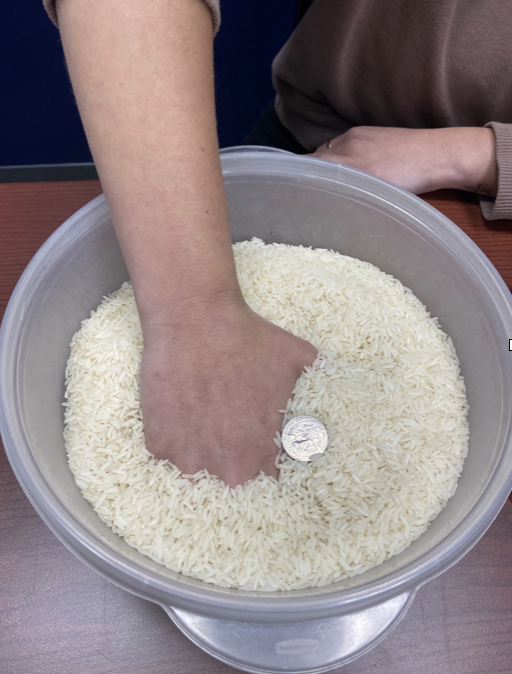
- Coin rice search with a towel covering the bowl: This enhances the patient’s sensory system and tactile awareness while being desensitized to the tactile input of the rice.
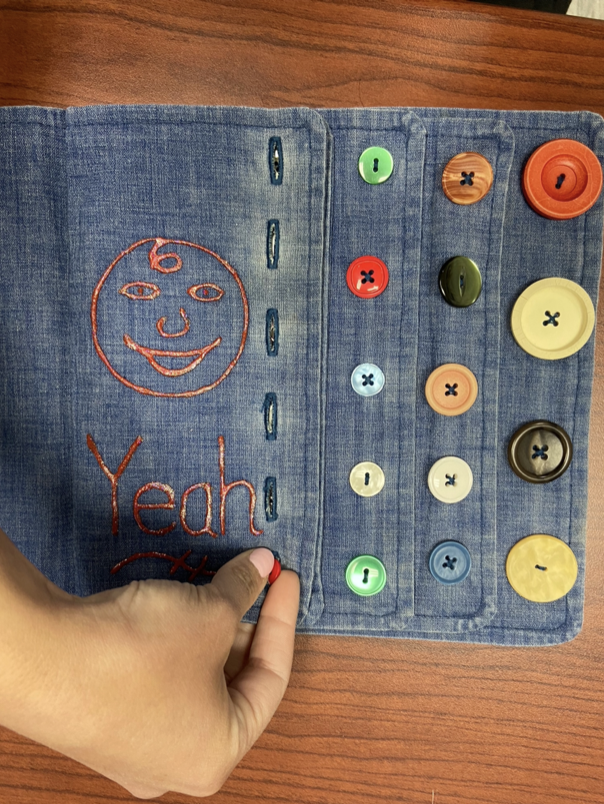
- Button book: Patients experiencing CIPN may have difficulties completing dressing tasks with buttons and zippers due to loss of tactile awareness and numbness. This activity increases fine motor coordination with sensory input from the activities materials, allowing patients to work on the functional task of buttoning and unbuttoning different sized buttons.
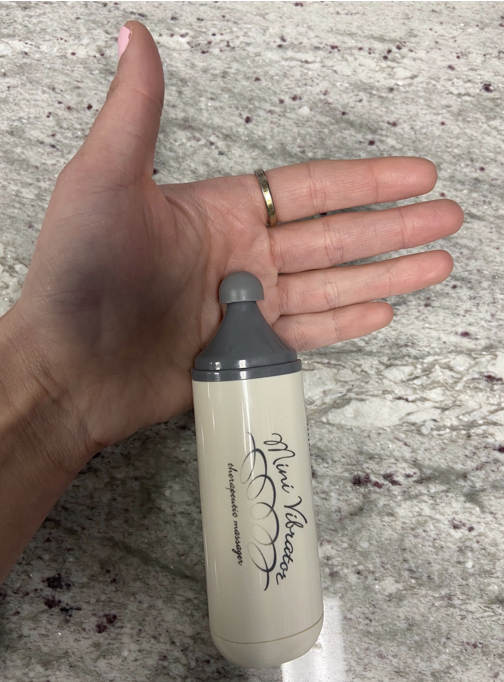
- Vibration tools: Patients may benefit from sensorimotor activities that promote vibrational input, helping to increase awareness and help with numbness and pain.
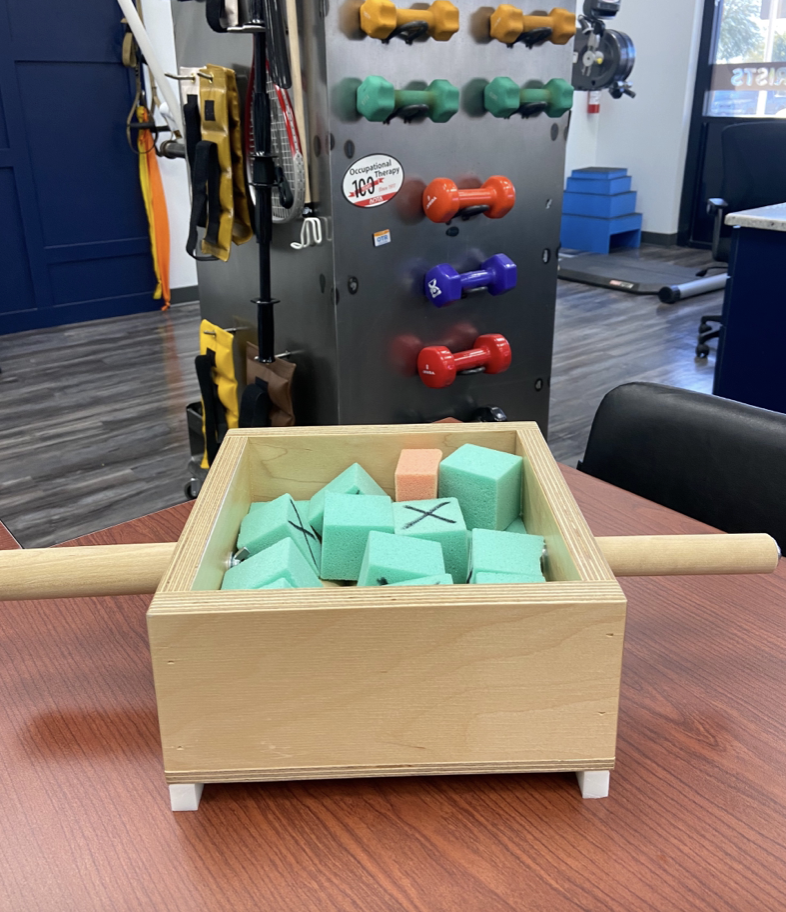
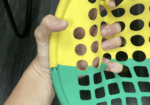
- Table sled: The patient works to push this sled back and forth promoting a push and pull motion. This activity is a great intervention for resistance training individualized for the client by easily being able to increase or decrease with weights on the sled that match the needed resistance for the patient.
Tofthagen, C., Visovsky, C., and Rodriguez, R. (2017). Chemotherapy-induced peripheral neuropathy: An algorithm to guide nursing management. Clinical Journal of Oncology Nursing 17 (2), 138-144. DOI 10.1188/13.CJON.138-144
Kleckner, I. R., Park, S. B., Streckmann, F., Wiskemann, J., Hardy, S., and Mohile, N. (2021). Clinical and practical recommendations in the use of exercise, physical therapy, and occupational therapy for chemotherapy-induced peripheral neuropathy (peripheral neuropathy occupational therapy).
4 Comments
Leave a Comment
More To Read
Top 5 DIP Flexion Exercises
By: Tori Rhodes Lately, we’ve had a handful of patients roll through our clinic with pretty significant limitations to DIP flexion. So, we’ve collected a selection of go-to exercises for these individuals. We’ve included a few of those here. From cat bites and fracture sites to mallet fingers and skin grafts, many individuals who are…
Comparison of Erb’s Palsy and Klumpke’s Palsy: Symptoms, Presentation, and Treatment Options
What is the brachial plexus? The brachial plexus is a group of nerves originating from the cervical and thoracic nerve roots (from C5 to T1). The brachial plexus forms 5 peripheral nerves of the upper extremity, consisting of the musculocutaneous, median, radial, ulnar, and axillary nerves. This group of nerves supplies motor and sensory innervation…

7 Tips to Help your Patients Manage Hand Osteoarthritis
Introduction Osteoarthritis in the hands can be frustrating and debilitating. As a form of degenerative joint disease, it causes stiffness, pain, swelling, and reduced grip strength—making daily tasks like writing, opening jars, and typing feel exhausting. Fortunately, there’s a proven holistic approach centered on hand therapy for arthritic hands. This includes tailored exercises, targeted splinting,…
How to Use Translation for Improving Fine Motor Skills after a Hand Injury:
I’m always looking for new therapy ideas. I want to keep my patients interested and engaged in therapy. I also want to keep things functional and task oriented. So much of what we do with our hands is about fine motor coordination and dexterity, and that is so hard to duplicate in a clinic setting.…

Sign-up to Get Updates Straight to Your Inbox!
Sign up with us and we will send you regular blog posts on everything hand therapy, notices every time we upload new videos and tutorials, along with handout, protocols, and other useful information.
I have a patient with exactly this problem so great timing for this post! Some great ideas to make an interesting and fun programme for them.
Awesome! Glad it was helpful!
Hi Miranda!
Recently “Oncologist” published a paper entitled “Hand therapy interventions for the prevention of chemotherapy-induced peripheral neuropathy of the hands in patients with pancreatic cancer”.
Do you have experience on this prevention approach?
I have some chemotherapy patients in the hospital I work, in São Paulo, Brazil, and I’m doing some research to make as specific programme for them.
Thanks for the Post, they are always helpful. I’ve been learning a lot listening to you podcast too.
That is very interesting. I will have to check out that paper! I don’t have a lot of experience in this area. Let us know what you find out with your research. We would love to hear about it. Thanks for you kind words. We love sharing the information.