

The Amazing Zebras—No Two Zebras Are Alike
Ehlers-Danlos Syndrome: A Unique Condition
By: Brittany Carrie
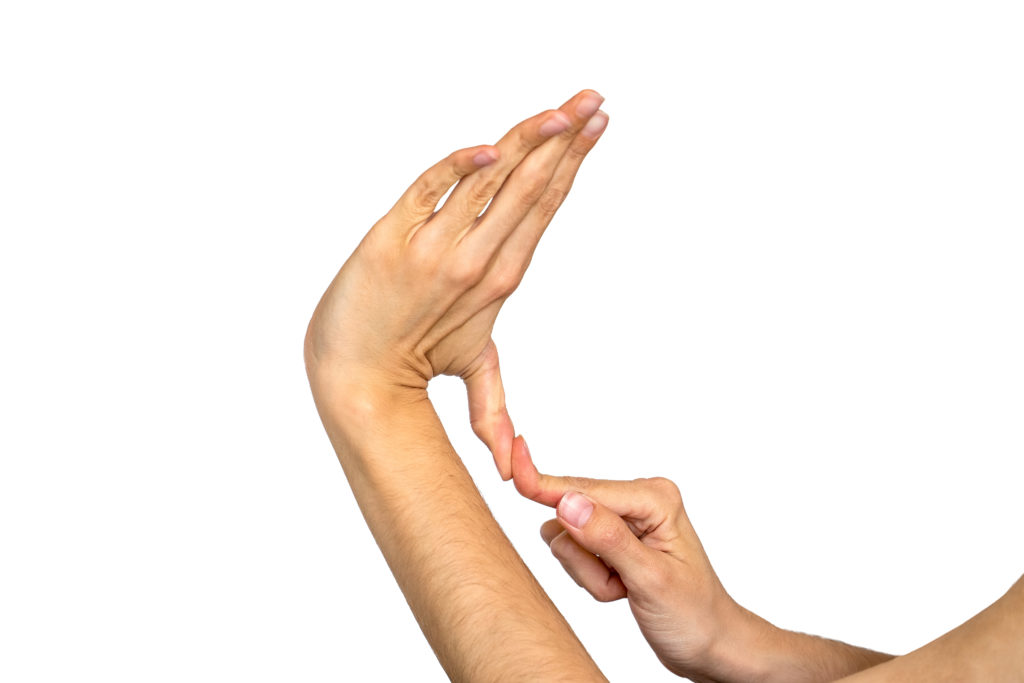
Zebras are a unique species in that they are a horse-like creature comprised of beautiful black and white stripes. These stripes, which still remain a mystery on their said purpose, are unique in their own way as no two zebras have the same stripes (Ehler’s-Danlos Society, n.d.a.; National Geographic Kids, n.d.). Similar to zebras, individuals with Ehler’s-Danlos Syndrome (EDS) are rare and no two people with EDS are alike which often makes it difficult to diagnose. There are a variety of types of EDS, 13 to be exact, which contributes to the challenge of making a more accurate diagnosis (Ehler’s-Danlos Society, n.d.b.). But what exactly is EDS and how does it relate to hand therapy (EDS Hands)? The following provides information related to signs and symptoms of EDS and how the use of hand therapy can have a positive impact on those suffering from this unique condition.
What is EDS?
EDS is a heritable condition that targets an individual’s connective tissue leading to symptoms of joint hypermobility, tissue fragility, and skin hyperextensibility (De Wandele, Rombaut, Malfait, De Backer, De Paepe, & Calders, 2012; Schubart, Schaefer, Hakim, Francomano, & Bascom, 2019; Zhou, Rewari, & Shanthanna, 2018). Other clinical manifestations include frequent subluxations, abnormal scarring, bruising easily, orthostatic intolerance, early on-set osteoarthritis, sleep disorders, fatigue, and paresthesia, among others (Schubart, Schaefer, Hakim, Francomano, & Bascom, 2019; Zhou, Rewari, & Shanthanna, 2018). EDS is also more prevalent in women than men and occurs in approximately .75-2% of the general population; however, that number may be increased with the growing advancements in diagnostics and overall knowledge of EDS (Zhou, Rewari, & Shanthanna, 2018; Simmonds et al., 2019; Zhou, Rewari, & Shanthanna, 2018).
Common Complaints Presented at Hand Therapy
As the number of patients with EDS increases, the patient population receiving hand therapy has also increased. As mentioned earlier, many individuals with EDS are susceptible to subluxations, painful joints, and paresthesias which is inclusive to components of the hand and wrist. Upon initial evaluation, common complaints include joint pain in the CMC joint, MPs and PIPs, EDS hand pain; sharp, burning pain in bilateral hands and wrists, and concern for the ability to perform current occupations. Often times, patients report they have difficulty performing everyday tasks such as washing dishes or getting dressed because their joints are too mobile, and instability affects their strength. It is common to see symptoms of carpal tunnel syndrome and CMC instability.
Tips for Treatment EDS and carpal tunnel syndrome
The best tip for successful treatment outcomes is being supportive to your EDS patient. Many individuals with EDS spend years trying to find a diagnosis and are often turned away because they are misunderstood. EDS patients want a health professional to listen to their concerns and how they feel to help them navigate a better quality of life. Other treatment tips include orthotic wear and care, education on joint protection principles and activity modification, scapular and intrinsic strengthening, and addressing carpal tunnel symptoms through median nerve glides and other stretching techniques. When performing intrinsic strengthening it is important not to address the lumbricals as this can cause more pain. It is also important to pay close attention to the range patients are performing their exercises in to ensure they are not going beyond end range.

Common orthotics made in the clinic include wrist supports, thumb spica splints, and Oval-8 or Silver Rings. Thumb spica splints can be hand-based or forearm-based depending on the patient and their functional needs. Orthotics are also to be worn at the discretion of the therapist. As mentioned earlier, no EDS patient is the same; therefore, orthotic design and wearing schedule is dependent on the patient and their needs.
In sum, the most important way to build rapport and achieve positive treatment outcomes is to listen to your patient! Symptoms may differ from patient-to-patient; therefore, it is best to pull out all of your tools in your toolkit to find out what best suits your patient and their needs.
References
De Wandele, I., Rombaut, L., Malfait, F., De Backer, T., De Paepe, A., & Calders, P. (2013). Clinical heterogeneity in patients with the hypermobility type of Ehlers-Danlos Syndrome. Research in Developmental Disabilities, 34(3), 873–881.
Schubart, J. R., Schaefer, E., Hakim, A. J., Francomano, C. A., & Bascom, R. (2019). Use of cluster analysis to delineate symptom profiles in an Ehlers-Danlos Syndrome patient population. Journal of Pain and Symptom Management, 58(3), 427–436.
Simmonds, J. V., Herbland, A., Hakim, A., Ninis, N., Lever, W., Aziz, Q., & Cairns, M. (2019). Exercise beliefs and behaviours of individuals with joint hypermobility syndrome/Ehlers-Danlos syndrome – hypermobility type. Disability & Rehabilitation, 41(4), 445–455.
The Ehler’s-Danlos Society. (n.d.a.). Why the zebra? Retrieved from https://www.ehlers-danlos.com/why-the-zebra/
The Ehler’s-Danlos Society. (n.d.b.). What are the Ehler’s-Danlos syndromes? Retrieved from https://www.ehlers-danlos.com/what-is-eds/
Zhou, Z., Rewari, A., & Shanthanna, H. (2018). Management of chronic pain in Ehlers-Danlos syndrome: Two case reports and a review of literature. Medicine, 97(45), e13115
1 Comment
Leave a Comment
More To Read

Pediatric & Adolescent Shoulder Instability
Lin, K.M, James, E.W., Spitze, E. & Fabricant, P.D. (2018). Pediatric and adolescent anterior shoulder instability: Clinical management of first-time dislocators. Current opinion in pediatrics, 30, 49-56. doi: 10.1097/MOP.0000000000000566. The Skinny: Shoulder instability for pediatric and adolescent patients is fairly common and is often complicated by a high re-dislocation rate. Shoulder instability typically occurs after…

Brachial Plexopathy Case Example in Hand Therapy
Brachial Plexopathy Case Example in Hand Therapy (plexopathy examples) One of the recent cases we have seen is a 13-year old with a brachial plexus injury. We are seeing the patient post-surgery for tendon transfers to increase functional use of his left upper extremity (LUE). Before the surgery, he could not extend the wrist and…
The function of the Glenohumeral Joint Ligaments
Glenohumeral Joint Ligaments The Glenohumeral (GH) joint is composed of the head of the humerus and the glenoid fossa. The fossa is relatively small compared to the humeral head, making the joint highly mobile, which also leads to an increased risk of instability. The glenoid labrum is a fibrocartilagenous rim attached around the…

Article Review: Best Edema Management Techniques in Hand Therapy
Miller, L. K., Jerosch-Herold, C., & Shepstone, L. (2017). Effectiveness of edema management techniques for subacute hand edema: a systematic review. Journal of Hand Therapy, 30(4), 432-446. doi: http://dx.doi.org/10.1016/j.jht.2017.05.011 By: Ammie Ingwaldson The Skinny Edema is something therapists deal with on a daily basis and often is apart of most treatments. Managing edema can be a challenge…

Sign-up to Get Updates Straight to Your Inbox!
Sign up with us and we will send you regular blog posts on everything hand therapy, notices every time we upload new videos and tutorials, along with handout, protocols, and other useful information.
Thank you for the update. Very good information!!!
Thank you
Sandra Levin