

Hand Function in Chemotherapy-Induced Peripheral Neuropathy: A Rapid Review
Filed under Uncategorized
Osumi, M., Sumitani, M., Abe, Hiroaki, A., Otake, Y., Kumagaya, S.-I., & Morioka, S. (2019). Kinematic evaluation for impairment of skilled hand function in chemotherapy induced peripheral neuropathy. Journal of Hand Therapy. (32)1, 41-47. https://doi.org/10.1016/j.jht.2017.06.003
By: Rita Steffes

The Skinny:
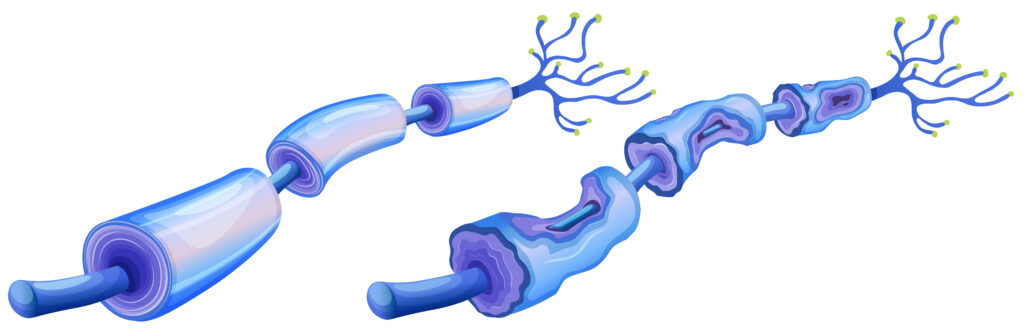
Chemotherapy has many lasting side effects (one of which is hand numbness after chemotherapy), with chemotherapy-induced peripheral neuropathy (CIPN) prevalent in 30-70% of patients receiving treatment. Winning the battle against cancer is often viewed as the last and final hurdle oncology patients must go through before returning to their everyday life before their diagnosis. However, that is not the reality for many cancer survivors. In this article, researchers examined the effects of CIPN on sensation and skilled hand functions to bring awareness to impacts made to daily functioning, quality of life, and how hand therapy services can help.
In the weeds:
This study included a total of 24 participants, consisting of 12 patients diagnosed with CIPN following chemotherapy treatment and 12 age-matched patients with no history of medical complications that affect their hands (hand neuropathy). All participants completed a sensory evaluation, clinical motor function test, three-dimensional and kinematic analysis of skilled hand function.
The sensation was tested using the Von Frey Filaments, using the 2.36 filament as the baseline, increasing filament weight until touch was noted or 6.65 was reached. Numbness was also measured using an 11 point scale, 0 being no numbness and 10 being intense numbness.
Clinical motor function was tested utilizing the Hand Grip-Release test, asking patients to grip and release testing bars as many times possible within 10 seconds.
Skilled hand function was tested using an electromagnetic motion tracker for kinematic analysis of their reach and grasp movements. Patients were asked to reach and pitch two different targets ten times at their own pace as their smooth versus jerky movements were assessed.
Bringing it home:
This study showed a significant impairment of tactile threshold and numbness in CIPN patients compared to the control group. CIPN patients also presented significant impairments in their grasp movement patterns compared to the control group, which may correlate with their tactile detection threshold. There were no significant differences in the results of the Hand Grip-Release test and kinematics of reaching results between the two groups; however, the CIPN patients scoring was slightly lower than the control group.
Rating: 3/5
This study had many limitations, including small sample size and limited inclusion criteria such as how many rounds of chemotherapy participants had for treatment and the duration of CIPN symptoms. These are all factors that could have made the results of this study more significant. However, this study can increase awareness of chemotherapy’s long-term side effects (such as hand numbness after chemotherapy) on an individual’s functional abilities to complete everyday tasks and the benefits of receiving hand therapy services.
This article raises a call to action to an overlooked diagnosis. As occupational and physical therapists, it is important to educate other medical professionals on how therapy services can help patients by publishing research on the efficacy and providing quality patient care.
Picture taken from: Osumi, M., Sumitani, M., Abe, Hiroaki, A., Otake, Y., Kumagaya, S.-I., & Morioka, S. (2019). Kinematic evaluation for impairment of skilled hand function in chemotherapy-induced peripheral neuropathy. Journal of Hand Therapy. (32)1, 41-47. https://doi.org/10.1016/j.jht.2017.06.003
More To Read

Which is better: Splinting the MCP or PIP joint when managing Trigger Finger?
Teo, S. H., Ng D. C., Wong, Y.K.(2018). Effectiveness of proximal interphalangeal joint blocking orthosis vs metacarpophalangeal joint blocking orthosis in trigger digit: A randomized clinical trial. Journal of Hand Therapy, 1-7. The Skinny- This study compared PIP joint immobilization via an Oval-8TM with a custom MCP blocking trigger finger orthosis treatment. In the Weeds…
Carpal Tunnel Release: Outcomes of Pediatric and Adolescent
Rapid Review. Outcomes of pediatric and adolescent carpal tunnel release based on etiology. Velicki, K., Goldfarb, C. A., Roberts, S., & Wall, L. B. (2021). Outcomes of pediatric and adolescent carpal tunnel release. The Journal of Hand Surgery, 46(3), 178-186. The Skinny: Less than 1% of pediatric carpal tunnel is idiopathic in nature, compared to…

6 of our Favorite Adaptive Equipment Tools for CMC Osteoarthritis
Individuals struggling with osteoarthritis of the 1st CMC joint usually have difficulty with daily activities and it can become very frustrating. Everyday tasks such as cutting food, opening containers, and donning a button up shirt can become painful and slow. The largest contributor to the overall function of our hand is the thumb. If the…
Therapeutic Interventions and Contraindications of Cupping
By Kaylen Kallander Cupping therapy is used to apply negative pressure to a localized area of muscular or neurological pain to relieve nerve pressure and increase blood flow to an affected area. This modality is commonly used for athletes, but is also a frequent treatment in physical therapy, occupational therapy, or hand therapy. While cupping…

Sign-up to Get Updates Straight to Your Inbox!
Sign up with us and we will send you regular blog posts on everything hand therapy, notices every time we upload new videos and tutorials, along with handout, protocols, and other useful information.