

Carpal Tunnel Syndrome Treatment: Surgical vs. Hand Therapy Outcomes
Filed under Treatments
Carpal Tunnel Syndrome Treatment: Surgical vs. Non-Surgical Outcomes
Verdugo, R. J., Salinas, R. S., Castillo, J. L., & Cea, J. G. (2008). Surgical versus non-surgical treatment for carpal tunnel syndrome. Cochrane Database of Systematic Reviews, (4).
The Skinny
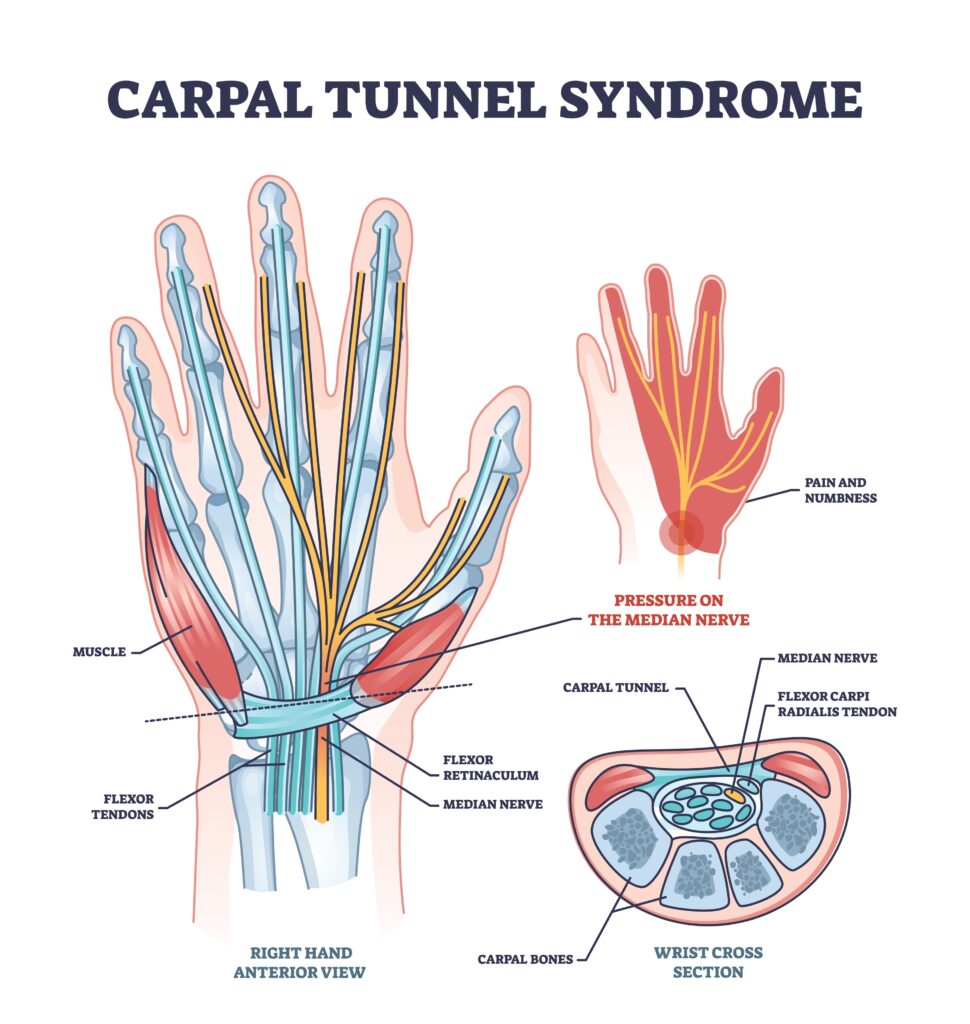
This article compares surgical treatment to non-surgical management such as hand therapy for individuals with carpal tunnel syndrome (CTS). Non-surgical interventions included wrist splinting, corticosteroid injections, and therapy-based approaches. The findings suggest that surgery generally provides greater symptom relief and functional improvement over time, particularly in more advanced cases. However, conservative treatment remains effective for many patients, especially those with mild to moderate symptoms.
In the Weeds
This study is a systematic review of randomized controlled trials comparing surgical and non-surgical treatments for CTS. Adult participants diagnosed with CTS were included, and outcomes such as pain, symptom severity, and functional hand use were evaluated.
Non-surgical interventions varied across studies but commonly included wrist splinting in a neutral position, corticosteroid injections, and therapy-based interventions. The included studies also had varying follow-up periods, allowing researchers to compare both short-term and long-term outcomes. One limitation noted was the variability in how conservative treatments were applied, making direct comparisons more difficult.
The results showed that surgical treatment generally led to greater improvement in symptoms and functional outcomes at long-term follow-up. Patients who underwent surgery experienced more consistent and sustained relief compared to those receiving conservative care.
At the same time, non-surgical interventions were still beneficial, particularly in the short term. Many patients with mild to moderate CTS demonstrated improvement with splinting and therapy-based approaches. The effectiveness of conservative treatment appeared to be more limited in patients with more severe symptoms.
Bringing It Home
The findings support a stepwise approach to managing carpal tunnel syndrome. Conservative treatment should typically be the first line of care, especially for patients with less severe symptoms. If symptoms persist or worsen, surgical intervention may provide greater long-term benefit.
From a clinical perspective, therapy plays an important role not only in early management but also following surgical intervention. Post-operative rehabilitation is often necessary to restore range of motion, manage scar tissue, and improve strength and functional use of the hand.
Rating: 4/5
This study supports the use of a stepwise treatment approach for carpal tunnel syndrome. Conservative management remains an appropriate first option for many patients because it can reduce symptoms without requiring surgery. However, surgery appears to provide better long-term improvement when symptoms persist or become more severe.
The article was helpful because it compared both treatment approaches while also recognizing the value of therapy throughout the rehabilitation process. One limitation is that the conservative treatments varied between studies, which made some comparisons less consistent.
More To Read

Is HEP Just as Good as Therapy for Metacarpal Fracture Rehab?
Gülke, J., Leopold, B., Grözinger, D., Drews, B., Paschke, S., & Wachter, N. J. (2018). Postoperative treatment of metacarpal fractures – Classical physical therapy compared with a home exercise program. Journal of Hand Therapy, 31(1), 20-28. The Skinny – Medicine is moving towards a model that encourages less direct intervention and a more DIY focus…

How To Do A Fast but Thorough Hand Therapy Assessment
We don’t get a lot of time. Sometimes new patients come in unexpectedly or someone comes at the wrong time and your 1-hour block for an eval is suddenly only 30 minutes. Do you know how to get the most out of your eval time with the patient? Do you know what things are the…

Creating an Action Plan for Addressing Mental Health in the Clinic
Blog By: Rachel Reed As hand therapists, our care for our patients must be driven by the goal of treating the whole person, not just their hand or injury (Hannah, 2011). Occupational therapy is a unique profession in which we are equipped to view our patients through a holistic lens. With this lens, we are…
Carpal Tunnel Release: Outcomes of Pediatric and Adolescent
Rapid Review. Outcomes of pediatric and adolescent carpal tunnel release based on etiology. Velicki, K., Goldfarb, C. A., Roberts, S., & Wall, L. B. (2021). Outcomes of pediatric and adolescent carpal tunnel release. The Journal of Hand Surgery, 46(3), 178-186. The Skinny: Less than 1% of pediatric carpal tunnel is idiopathic in nature, compared to…

Sign-up to Get Updates Straight to Your Inbox!
Sign up with us and we will send you regular blog posts on everything hand therapy, notices every time we upload new videos and tutorials, along with handout, protocols, and other useful information.