

Carpal Tunnel Syndrome Treatment: Surgical vs. Hand Therapy Outcomes
Filed under Treatments
Carpal Tunnel Syndrome Treatment: Surgical vs. Non-Surgical Outcomes
Verdugo, R. J., Salinas, R. S., Castillo, J. L., & Cea, J. G. (2008). Surgical versus non-surgical treatment for carpal tunnel syndrome. Cochrane Database of Systematic Reviews, (4).
The Skinny
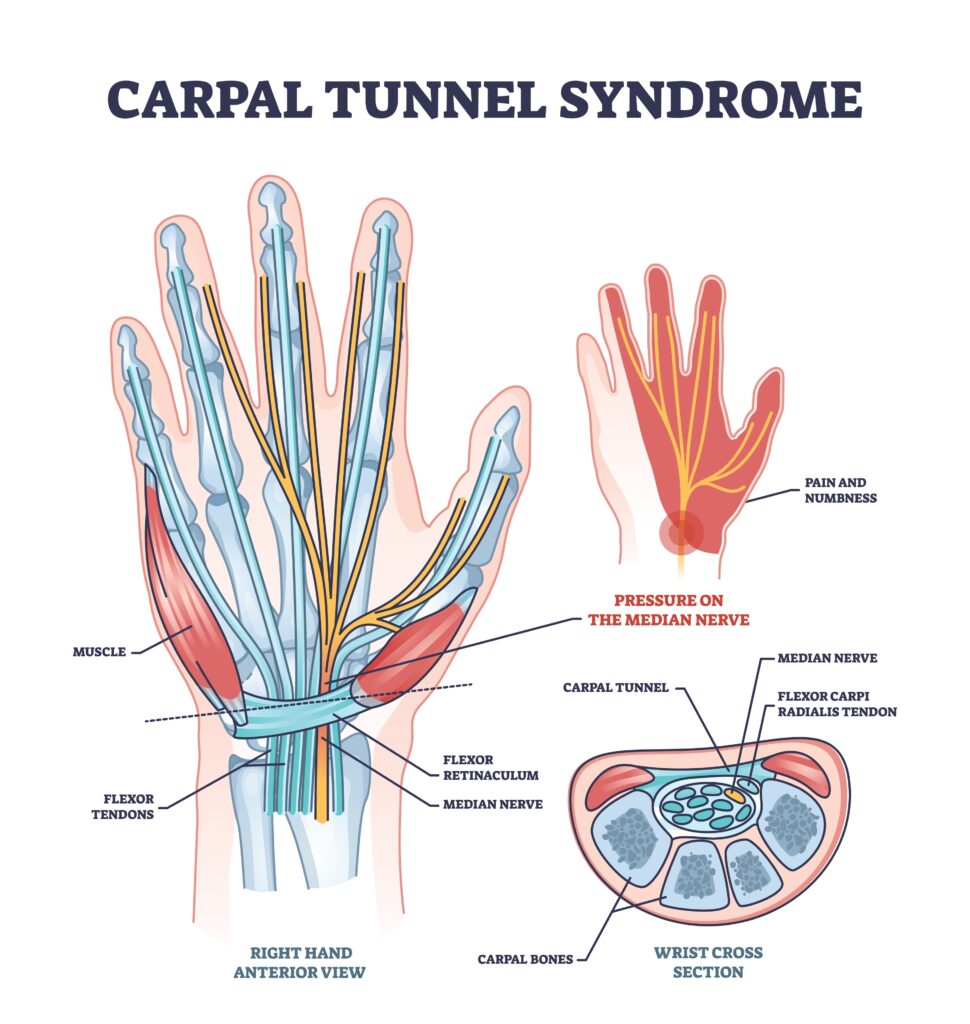
This article compares surgical treatment to non-surgical management such as hand therapy for individuals with carpal tunnel syndrome (CTS). Non-surgical interventions included wrist splinting, corticosteroid injections, and therapy-based approaches. The findings suggest that surgery generally provides greater symptom relief and functional improvement over time, particularly in more advanced cases. However, conservative treatment remains effective for many patients, especially those with mild to moderate symptoms.
In the Weeds
This study is a systematic review of randomized controlled trials comparing surgical and non-surgical treatments for CTS. Adult participants diagnosed with CTS were included, and outcomes such as pain, symptom severity, and functional hand use were evaluated.
Non-surgical interventions varied across studies but commonly included wrist splinting in a neutral position, corticosteroid injections, and therapy-based interventions. The included studies also had varying follow-up periods, allowing researchers to compare both short-term and long-term outcomes. One limitation noted was the variability in how conservative treatments were applied, making direct comparisons more difficult.
The results showed that surgical treatment generally led to greater improvement in symptoms and functional outcomes at long-term follow-up. Patients who underwent surgery experienced more consistent and sustained relief compared to those receiving conservative care.
At the same time, non-surgical interventions were still beneficial, particularly in the short term. Many patients with mild to moderate CTS demonstrated improvement with splinting and therapy-based approaches. The effectiveness of conservative treatment appeared to be more limited in patients with more severe symptoms.
Bringing It Home
The findings support a stepwise approach to managing carpal tunnel syndrome. Conservative treatment should typically be the first line of care, especially for patients with less severe symptoms. If symptoms persist or worsen, surgical intervention may provide greater long-term benefit.
From a clinical perspective, therapy plays an important role not only in early management but also following surgical intervention. Post-operative rehabilitation is often necessary to restore range of motion, manage scar tissue, and improve strength and functional use of the hand.
Rating: 4/5
This study supports the use of a stepwise treatment approach for carpal tunnel syndrome. Conservative management remains an appropriate first option for many patients because it can reduce symptoms without requiring surgery. However, surgery appears to provide better long-term improvement when symptoms persist or become more severe.
The article was helpful because it compared both treatment approaches while also recognizing the value of therapy throughout the rehabilitation process. One limitation is that the conservative treatments varied between studies, which made some comparisons less consistent.
More To Read

Intrinsic Hand Strengthening with Puttycise Tools
We are always looking for ways of the intrinsic hand strengthening. It is easy to overlook the importance of these small but mighty muscles. They are essential to performing functional grasps patterns. They can become weak in a short period of time due to their small size. So, How does intrinsic strengthening work?! The Basics…

Should we still be immobilizing the thumb in scaphoid fractures, or is a wrist-only cast just as effective?
Article:Harper, K. J., Rees, Y., Tan, N. X., Li, H., Fonseca, E. A., Quach, P. G., Lee, G. S., Brayshaw, J.R., & McGarry, S. (2025). Determining the success of clinical outcomes for thumbimmobilization compared to no thumb immobilization in adult non-displaced, non-surgically managed scaphoid fractures: A systematic review. Hong Kong journal ofoccupational therapy. The Skinny:This study…

Sensory Kit for Hypersensitivity
Written by Melissa Miller Introduction After injury or surgery, nerves in the skin and surrounding the injured area can become overly sensitive. This can cause pain or an unpleasant sensation by stimuli that would not typically cause discomfort. For example, a light touch from a shirt or a certain material can feel like needles to…
Upper extremity weight-bearing tolerance
Barlow, S.J., Scholtz, J. & Medeiros (2020). Wrist weight-bearing tolerance in healthy adults. Journal of Hand Therapy, xxx currently in press. The Skinny Wrist pain and instability are common occurrences and can occur with acute or chronic injuries. This leads to significant dysfunction, including the inability to tolerate axial loading through the upper extremity. There is…

Sign-up to Get Updates Straight to Your Inbox!
Sign up with us and we will send you regular blog posts on everything hand therapy, notices every time we upload new videos and tutorials, along with handout, protocols, and other useful information.