

Early Rehabilitation vs. Conventional Immobilization in Nonoperative Treatment of Proximal Humeral Fracture
Filed under Treatments
Treatment of Proximal Humeral Fracture: A Systematic Review Early Rehabilitation vs. Conventional Immobilization in Nonoperative
Treatment of Proximal Humeral Fracture: A Systematic Review Ranieri, R., Lacouture-Suarez, J. D., Ferrero, M., Longobardi, V., Cacace, F., Ferrero, A., Bertolino, E. M., Kon, E., Lipina, M., Lychagin, A., Di Matteo, B., & Castagna, A. (2024). Early rehabilitation vs. conventional immobilization in nonoperative treatment of proximal humeral fracture: A systematic review. European Review for Medical and Pharmacological Sciences, 28(11), 3771–3780. https://doi.org/10.26355/eurrev_202406_36382
The Skinny:
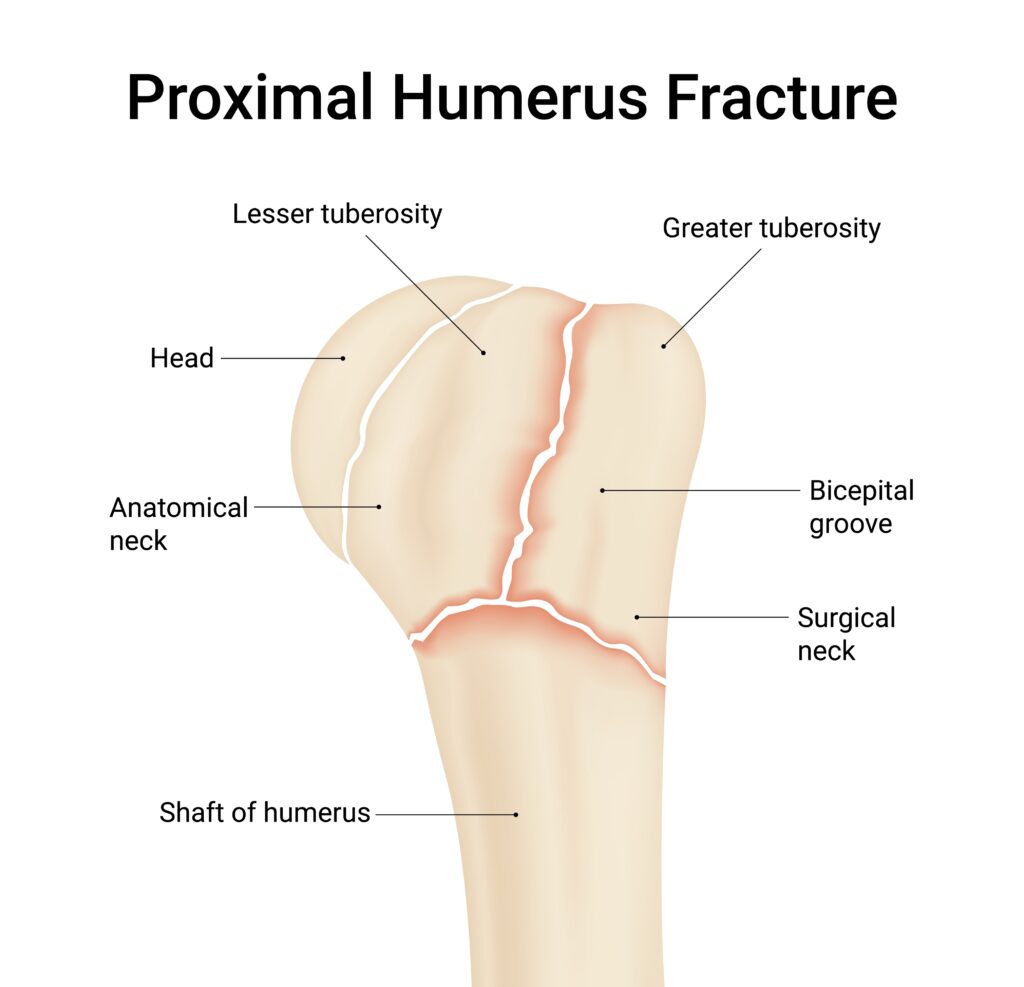
Proximal humeral fractures (PHFs) are gradually rising, especially amongst postmenopausal women. PHFs are associated with severe disability, prolonged recovery, and increased risk of mortality, often negatively impacting individuals’ independence in activities of daily living. Treatment of PHFs depends on the fracture type and the patient’s functional needs; however, the goal is typically to gain range of motion and shoulder function. This systematic review examined the results of early versus delayed rehabilitation following PHFs.
In the Weeds:
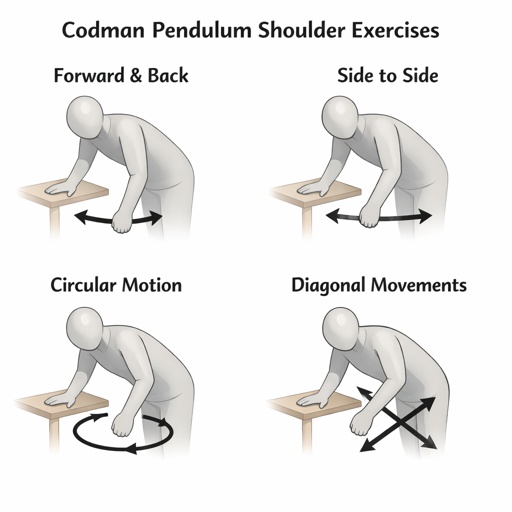
The systematic review followed the Preferred Reporting Items for Systematic Reviews and Meta-Analyses protocol guidelines. A literature search was conducted for studies published between 1980 and 2023 and included functional outcomes, pain, or patient quality of life for early versus delayed rehabilitation of PHF. The Cochrane Risk of Bias Assessment was used to examine the quality of the randomized controlled trials. Five studies, including 378 patients, were included in the review. Early rehabilitation was initiated within 7 days and mostly consisted of pendulum exercises and passive mobilization. By the 3rd and 4th weeks, early rehabilitation involved progressive full passive shoulder flexion and gentle functional exercises. Delayed rehabilitation was initiated within 3 weeks of immobilization.
Bringing it Home:
The authors found that early rehabilitation resulted in lower pain, improved shoulder range of motion, and better function in the first 3 months compared to delayed rehabilitation. No significant functional or pain-related changes were discovered at the 6-month and 2-year follow-up. Immobilization is often associated with joint stiffness and muscle atrophy, potentially
prolonging disability. Early passive rehabilitation may shorten recovery time by promoting edema reuptake, preventing tissue contractures, and improving neuromuscular function. The authors concluded that a shortened immobilization period followed by early rehabilitation may lead to faster recovery of shoulder function and reduced disability, without negative consequences, compared with delayed rehabilitation in individuals with PHFs.
Rating: 4⁄5
This systematic review employed well-defined selection criteria, included long-term outcomes, and provided a compelling rationale for early rehabilitation. The evidence suggests early rehabilitation leads to faster recovery and independence for individuals with PHFs. Additionally, this review justifies the need for skilled hand therapy in the early stages of PHF
recovery. One limitation is that the review included studies of different fracture patterns and rehabilitation protocols, which limited consistency and confidence in the optimal rehabilitation protocol for PHFs. Future investigations should develop a standardized rehabilitation protocol, including radiologic imaging and frequent follow-ups, to identify best practices for PHF
rehabilitation.
More To Read

Simple but Effective Ways Hand Therapists Address Psychosocial Impacts of Upper Extremity Injuries
Although psychosocial factors are often not formally assessed during an evaluation in those with upper extremity injuries, the therapist often informally assesses these during and after treatment sessions. Sustaining an upper extremity injury can be a physically and emotionally challenging experience. Beyond the physical pain and limitations, these injuries can profoundly impact an individual’s psychosocial…

Conservative Therapy for OA in the Fingers: A Literature Review
Beasley, J., Ward, L., Knipper-Fisher, K., Hughes, K., Lunsford, D., & Leiras, C. (2018). Conservative therapeutic interventions for osteoarthritic finger joints: A systematic review. Journal of Hand Therapy, 32. 153-164. The Skinny – The article reviews the evidence on the effectiveness of conservative treatment for those who experience osteoarthritis in fingers and in their finger…
Use of Orthoses for Tendonitis: Why They Help
Tendonitis can make routine activities such as gripping, lifting, typing, texting, or opening containers painful and difficult. In many cases, symptoms develop when a tendon is repeatedly stressed or irritated and does not have enough time to recover. When this happens, continued use of the hand, wrist, or elbow can keep the tendon irritated and…

Sesamoid Bones: What are they and what do they do?
By Brittany Carrie A Student’s Perspective During the first few weeks of my rotation, I was exposed to many new and exciting things that I had not been exposed to in the classroom setting. I observed and helped treat patients who had undergone severe trauma from lacerating tendons to complete amputations, saw different splinting techniques,…

Sign-up to Get Updates Straight to Your Inbox!
Sign up with us and we will send you regular blog posts on everything hand therapy, notices every time we upload new videos and tutorials, along with handout, protocols, and other useful information.