

Taking Alpha-Lipoic Acid for 40 days after Carpal Tunnel Surgery can decrease the likelihood of developing Pillar Pain.
Filed under Reviews, Treatments
Filippo, B., Granchi, D., Roatti, G., Merlini, L., Sabattini, T., & Baldini, N. (2017). Alpha-lipoic acid after median nerve decompression at the carpal tunnel: A randomized controlled trial. The Journal of Hand Surgery, 4, 236–42.
The Skinny – A double-blind, randomized controlled study was performed. Sixty-four patients were randomly assigned into two groups after median nerve decompression. Thirty-two patients took the alpha-lipoic acid (ALA), while the other 32 received the placebo pill.
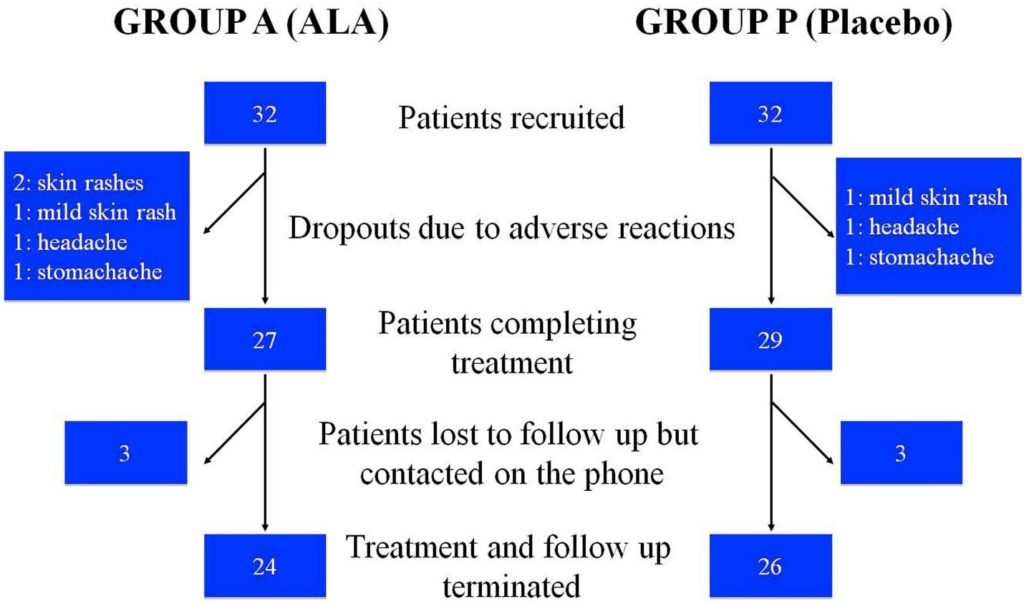
In The Weeds – The outcome measures utilized were Boston Carpal Tunnel score, 2-point discrimination, presence or absence of pillar pain, use of analgesics beyond post-op day 2, and sensory and motor conduction velocities. These measures were assessed at three months post-op.
Bringing it Home – ALA did not significantly improve nerve conduction velocity or Boston Carpal Tunnel score. Taking ALA did reduce pillar pain, and static 2-point discrimination improved in both groups.
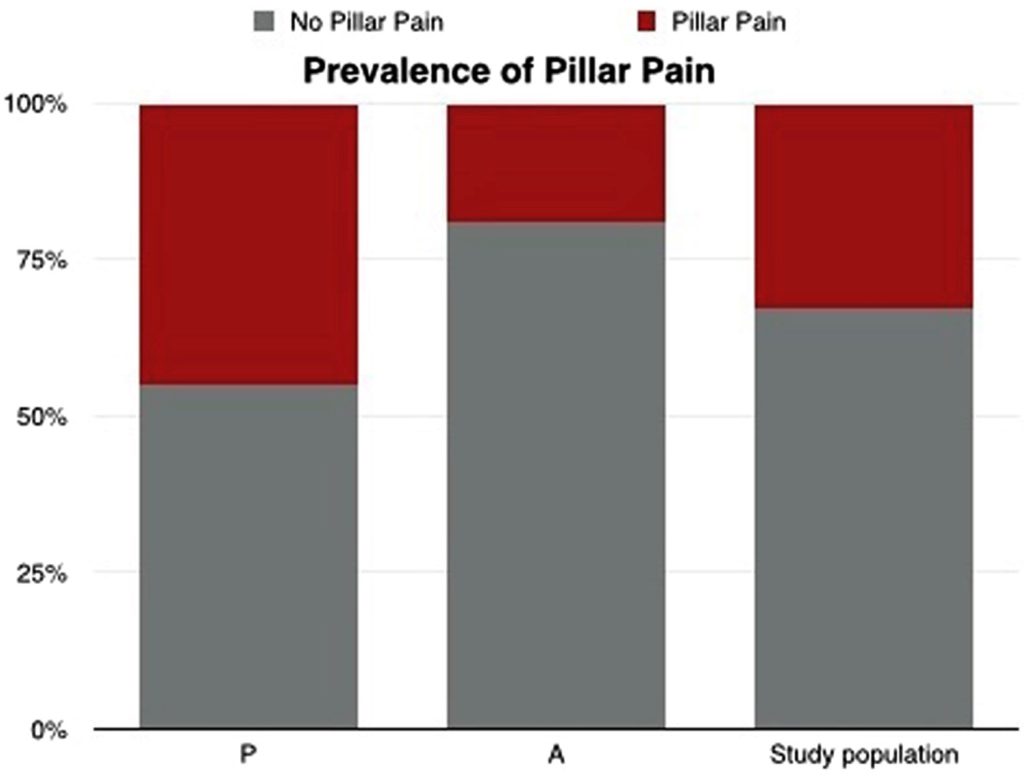
Taking ALA for 40 days after carpal tunnel surgery can lower the incidence of Pillar Pain. The study size was relatively small, and the outcome measures of pain and two-point discrimination test are somewhat subjective measures. The ALA treatment (pillar pain treatment) was well tolerated by the study participants. A larger study is needed to confirm these findings.
More To Read

Mirror therapy after a peripheral nerve repair in hand therapy
Rapid Review Paula, M. H., Barbosa, R. I., Marcolino, A. M., Elui, V. M., Rosén, B., & Fonseca, M. C. (2016). Early sensory re-education of the hand after a peripheral nerve repair based on mirror therapy: a randomized controlled trial. Brazilian journal of physical therapy, 20(1), 58–65. https://doi.org/10.1590/bjpt-rbf.2014.0130 The Skinny: Therapy is often provided following an…
Extensor Tendon Repair Protocol (zone 4-7): Immediate Controlled Active Motion (ICAM)
Howell, J.W., Merritt, W. H., & Robinson, S. J. (2005). Immediate Controlled Active Motion Following Zone 4–7 Extensor Tendon Repair. Journal of hand therapy: 18, 182-90. The Skinny- For years immobilization was the standard procedure following extensor tendon injuries in zones 4-7. As expected immobilization caused lengthy rehabilitation times, stiff joints, and tendon adhesions often…
How to Strengthen the Intrinsics with Puttycise Tools:
How to strengthen the intrinsic with Puttycise tools
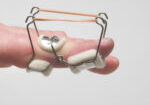
Management of the Stiff Finger: Evidence and Outcomes
Title: Management of the Stiff Finger: Evidence and Outcomes Reference: Yang, G., McGlinn, E. P., & Chung, K. C. (2014). Management of the stiff finger: Evidence and outcomes. Clinics in Plastic Surgery, 41(3), 501–512. https://doi.org/10.1016/j.cps.2014.03.011 Article Review By: Tommi Hintnaus The Skinny: This study focuses on understanding and managing finger stiffness, a condition characterized by…

Sign-up to Get Updates Straight to Your Inbox!
Sign up with us and we will send you regular blog posts on everything hand therapy, notices every time we upload new videos and tutorials, along with handout, protocols, and other useful information.